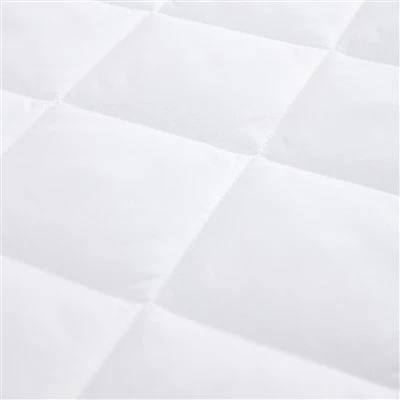
Quilted fabric is a timeless textile that combines both functionality and artistry. As a supplier in this field, I’ve had the privilege of being involved in every step of its creation. In this blog, I’ll take you through the intricate process of how quilted fabric is made, from the initial selection of materials to the final product that graces so many homes and fashion items. Quilted Fabric
Selecting the Materials
The foundation of any great quilted fabric lies in the materials used. The process starts with choosing the right base fabrics. Typically, we look for cottons, but depending on the intended use of the final product, other fabrics like silk, wool, or synthetic materials can also be used.
Cotton is a popular choice due to its breathability, softness, and durability. It’s easy to work with, machine-washable, and comes in a wide variety of colors and patterns. When selecting cotton for quilted fabric, we ensure it has a good thread count. A higher thread count generally means a stronger and smoother fabric.
Silk, on the other hand, adds a touch of luxury. It has a beautiful sheen and is incredibly soft. However, it requires more delicate handling and care. Wool is warm and insulating, making it ideal for quilted blankets and winter clothing. Synthetic fabrics like polyester offer durability, resistance to wrinkles, and can be more affordable.
In addition to the base fabric, we also need batting, which is the layer that provides the thickness and warmth to the quilted fabric. Common types of batting include cotton, polyester, wool, and bamboo. Cotton batting is natural and breathable. Polyester is lightweight and often hypoallergenic. Wool is warm but can be more expensive. Bamboo batting is eco – friendly and has antibacterial properties.
Cutting the Fabrics
Once the materials are selected, the next step is cutting the fabrics to the desired size. Precision is key here. We use sharp rotary cutters, cutting mats, and rulers to ensure straight and accurate cuts. For large – scale production, we also utilize industrial cutting machines that can cut multiple layers of fabric at once, increasing efficiency.
The base fabrics are usually cut into squares, rectangles, or other geometric shapes, depending on the design of the quilted pattern. The batting is cut to be slightly larger than the fabric pieces to ensure full coverage during the quilting process.
Layer Preparation
After cutting, we prepare the three layers of the quilted fabric: the top fabric, the batting, and the backing fabric. The top fabric is the patterned or decorative layer that will be visible on the front of the quilted item. The backing fabric is the layer on the back, which can be a simple solid color or a coordinating pattern.
We lay the backing fabric down first, right – side down. Then, we carefully place the batting on top of the backing, smoothing out any wrinkles or bumps. Finally, we place the top fabric on top of the batting, right – side up. To hold these layers together temporarily, we use pins or a light spray adhesive. This keeps the layers in place during the quilting process, preventing shifting.
Quilting Techniques
Quilting is the heart of the process, where the three layers are stitched together. There are several quilting techniques, each with its own unique look and purpose.
Hand Quilting
Hand quilting is a traditional and time – consuming technique. It involves using a needle and thread to stitch the layers together by hand. The stitches are usually small and even, creating a beautiful, intricate pattern on the fabric. Hand – quilted fabrics have a unique charm and are often considered works of art. Quilters can create a variety of patterns, such as feathers, flowers, or geometric shapes. However, hand quilting is labor – intensive and requires a high level of skill.
Machine Quilting
Machine quilting is more common in industrial production. It uses a sewing machine to stitch the layers together. There are different types of machine quilting, including straight – line quilting, free – motion quilting, and computer – guided quilting.
Straight – line quilting is simple and fast. It involves sewing parallel lines across the fabric at regular intervals. This technique provides a clean and classic look. Free – motion quilting allows the quilter to create custom designs by moving the fabric freely under the needle. It requires some practice to control the stitching, but it can result in very creative and unique patterns. Computer – guided quilting uses a computer system to control the sewing machine, allowing for precise and complex designs to be created quickly.
Tacking
In some cases, instead of full – scale quilting, we may use tacking. Tacking involves making large, widely – spaced stitches at intervals to hold the layers together. This is a quicker and more economical method, often used in products where the quilting is not the main focus, such as some lower – cost bedspreads or quick – turnaround projects.
Finishing Touches
After the quilting is complete, there are several finishing touches to make the quilted fabric ready for use.
Trimming
We trim the edges of the quilted fabric to remove any excess batting and fabric. This gives the fabric a neat and professional appearance. We use sharp scissors or a rotary cutter to ensure a clean cut.
Binding
Binding is the process of adding a strip of fabric around the edges of the quilted fabric to finish it off. The binding not only adds a decorative touch but also protects the edges from fraying. We cut the binding fabric on the bias, which gives it more stretch and allows it to conform better to the curves of the quilt. The binding is then sewn onto the edges of the quilted fabric, usually by hand or machine.
Washing and Pressing
Once the binding is in place, we may wash the quilted fabric to preshrink it and give it a softer, more lived – in look. After washing, we carefully press the fabric to remove any wrinkles and bring out the texture of the quilting.
Quality Control
As a supplier, quality control is an essential part of our process. We have a team of experienced inspectors who check each piece of quilted fabric before it leaves our facility. They look for any defects, such as uneven stitching, loose threads, or fabric flaws. Only the fabrics that meet our strict quality standards are approved for sale.
Applications of Quilted Fabric
Quilted fabric has a wide range of applications. In the home, it is commonly used for bedding, such as quilts, comforters, and pillow shams. It can also be used for curtains, upholstery, and decorative wall hangings. In the fashion industry, quilted fabric is used for jackets, vests, handbags, and even shoes. Its warmth, softness, and unique texture make it a popular choice for both practical and stylish items.
Why Choose Our Quilted Fabric
As a supplier, we are committed to providing high – quality quilted fabric. We source the best materials, use the latest production techniques, and have strict quality control measures in place. Our products come in a wide variety of colors, patterns, and styles to meet the diverse needs of our customers.
Whether you are a home decorator looking for a unique fabric for your project or a fashion designer in need of a high – end quilting material, we have the solution for you. Our quilted fabric is not only beautiful but also durable, making it a great investment for any application.
Contact Us for Purchase
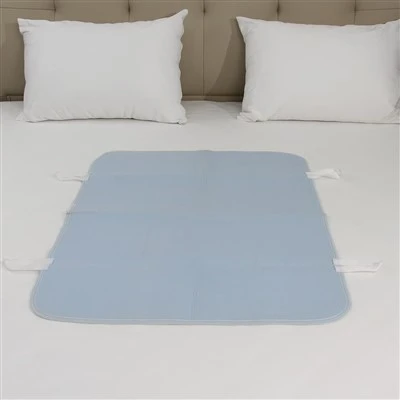
If you are interested in purchasing our quilted fabric for your projects, we would love to hear from you. Whether you need a small sample to test the quality or a large order for your production, we are ready to serve you. Please reach out to our sales team, and we will be happy to discuss your requirements, provide you with detailed information, and offer competitive pricing.
Underpad In conclusion, the process of making quilted fabric is a combination of art and science. From the careful selection of materials to the intricate quilting techniques and the final finishing touches, every step is crucial in creating a high – quality product. We take pride in our work and are dedicated to bringing you the best quilted fabric on the market.
References
- "The Complete Guide to Quilting" by Mary Fons and Arlene Nickelsen
- "Quilting for Beginners" by Susan Briscoe
- Industry reports on textile manufacturing and quilting techniques.
Jiangsu Etang Household Products Co., Ltd.
We are one of the most professional quilted fabric manufacturers and suppliers in China. With abundant experience, we warmly welcome you to buy bulk premium quilted fabric made in China here from our factory. All customized products are with high quality and competitive price. Contact us for pricelist.
Address: No. 18 Nanhai Road, Siyang Economic Development Zone, Siyang County, Suqian City, Jiangsu Province
E-mail: etang216@js-et.com
WebSite: https://www.etangbedding.com/
