If you’ve ever stood in the laundry aisle staring at a shelf full of fabric softeners, or stared at a production line’s laundry equipment wondering which nonionic softener will keep your textiles soft, wrinkle-free, and long-lasting, you’re not alone. As someone who’s worked in the nonionic softener supply space for nearly a decade, I’ve seen firsthand how a wrong choice can turn a batch of high-quality fabric into a stiff, faded mess—and how the right one can add months to a textile’s lifespan while boosting customer satisfaction. Nonionic softeners are unique compared to their anionic or cationic counterparts: they lack charged groups, so they work on almost all fibers without causing static buildup, discoloration, or dye transfer. But not all nonionic softeners are equal, and choosing the right one depends on more than just cost. Let’s break down what actually matters when you’re picking a nonionic softener, from fiber type to end-use, and how to avoid the common pitfalls that trip up so many buyers. Nonionic Softener
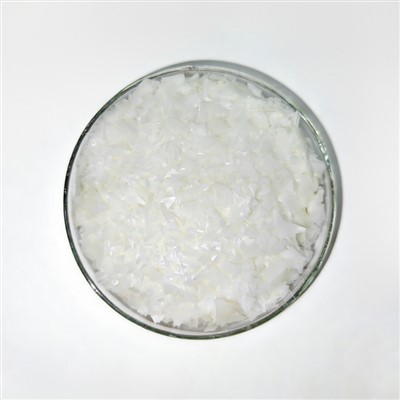
First, let’s start with the basics: what is a nonionic softener, exactly, for anyone who’s new to textile production or commercial laundry operations. Unlike cationic softeners, which carry a positive charge and bond to negatively charged fibers (great for cotton but terrible for synthetic blends that build static), nonionic softeners are made of neutral molecules—usually a combination of fatty alcohols, ethoxylates, and sometimes silicones— that wrap around fiber surfaces to reduce friction. That neutrality means they work on every fiber: natural (cotton, linen, wool), synthetic (polyester, nylon, spandex), and blends. But that versatility is also a trap; many suppliers will market a “one-size-fits-all” nonionic softener, and that rarely works for your specific use case.
Let’s talk fiber type first, because that’s the foundation of your choice. For natural fibers like cotton and linen, which are cellulose-based and prone to getting stiff after repeated washing and drying, you need a nonionic softener with a low melting point and high absorbency. I’ve seen buyers reach for a cheap nonionic softener just to cut costs, only to find it leaves a waxy residue on cotton towels that makes them feel greasy after three washes. Why? Because cheap nonionic softeners often use unrefined fatty alcohols that don’t penetrate cotton’s porous fiber structure properly. For example, ethoxylated fatty alcohol-based nonionic softeners with an ethoxylation degree of 7–12 work best for cotton: they’re water-soluble, so they rinse out evenly, and they form a thin, flexible layer on fiber surfaces that reduces friction without weighing the fabric down. If you’re working with linen, which is stiffer than cotton, you might opt for a slightly higher molecular weight nonionic softener, like a polyol ester-based one, to add a bit more lubrication without making the fabric feel heavy.
Now, what about synthetic fibers? Polyester, nylon, and spandex are hydrophobic, so they don’t absorb water or softener molecules as easily. That means a regular cotton-focused nonionic softener won’t bond to synthetic fibers effectively, leading to static buildup and a rough texture after the first use. For synthetics, you need a nonionic softener with added hydrophobic modifiers, like siloxane-based nonionics or ethoxylated fatty acid esters with high ethoxylation (15–20). These molecules have a lipophilic tail that adheres to synthetic fiber surfaces, so they reduce static (a big issue for athletic wear, work uniforms, and bedding with synthetic blends) and keep fabric smooth. I remember a client who made yoga pants out of a 90% polyester/10% spandex blend; they were using a generic nonionic softener and getting 20% returns for static and rough fabric. Switching to a silicone-modified nonionic softener cut their returns to less than 2% because the softener bonded to the spandex’s stretchy fibers without interfering with elasticity.
Blend fabrics are where most people get confused. A 50/50 cotton/polyester work shirt, for example, needs a nonionic softener that works for both fiber types. The mistake here is trying to use a mix of cationic and nonionic softeners, which can cause coagulation (that’s the clumpy, residue you see on laundry) or dye transfer. Instead, look for a nonionic softener formulated for blends: it should have a balance of low and high ethoxylation groups so it bonds to both cellulose and synthetic fibers. Another trick: test a small batch first. I always tell potential clients to run a 10-yard trial batch with any nonionic softener before committing to a full order. That way, you can check for discoloration (especially important for dark or bright dyes), residue, and stretch retention (for spandex blends) before scaling up.
Next, end-use is another make-or-break factor. What’s the fabric going to be used for? A baby blanket needs a nonionic softener that’s hypoallergenic, fragrance-free, and free of harmful chemicals, while a commercial tablecloth for a restaurant needs a softener that’s durable enough to survive 50+ industrial wash cycles. Let’s dive into that. For apparel that touches skin—baby clothes, underwear, activewear—you need nonionic softeners that meet global safety standards: OEKO-TEX Standard 100, REACH, or GOTS (Global Organic Textile Standard) if you’re working with organic fibers. Cheap nonionic softeners often contain parabens, formaldehyde, or nonylphenol ethoxylates (NPEs), which are linked to skin irritation and environmental damage. I’ve had several organic apparel brands reach out after switching from a competitor’s nonionic softener, which was causing rashes in their customers. The issue was NPEs, which are banned in many regions (including the EU and California) but still show up in low-quality imported softeners. If you’re in Europe or North America, skip any nonionic softener that doesn’t meet OEKO-TEX Class 1 (for baby products) or Class 2 (for general apparel) standards.
For industrial applications—commercial laundry, hotel linens, work uniforms—durability is key. A hotel’s bed linens get washed every few days, so the nonionic softener needs to withstand high-temperature washes, bleaches, and harsh detergents without breaking down. That means you want a nonionic softener with a higher molecular weight, like a diester-based nonionic or a polymer-modified nonionic. These don’t rinse out easily, so the fabric stays soft for more washes. I once worked with a hotel chain that was spending $0.12 per pound on a budget nonionic softener, and their linens were going stiff after 25 washes. Switching to a slightly more expensive polymer-modified nonionic softener (costing $0.18 per pound) extended their linen’s lifespan to 50+ washes, saving them 40% in replacement costs annually. That’s a case where a small upgrade in softener choice led to big long-term savings.
Another end-use consideration: water-based vs. oil-based softeners. Most nonionic softeners are water-based, which is better for most operations because they’re easy to dilute, don’t have strong odors, and are safer to handle. But if you’re working with fabrics that need extra deep softening, like wool or cashmere, a semi-oil-based nonionic softener might be better. These use a small amount of mineral oil to penetrate wool’s keratin fibers, making them softer than water-based options. Just be aware that oil-based softeners can leave a slight sheen on light-colored fabrics, so test that before using on white linens or light apparel.
Now, let’s talk about common mistakes to avoid when choosing a nonionic softener. First, don’t rely solely on price. It’s tempting to go for the cheapest option, but as I mentioned earlier, cheap nonionic softeners often have impurities, low durability, and harmful chemicals that end up costing you more in returns, replacement, and compliance issues. Second, don’t ignore compatibility with detergents and other laundry additives. Nonionic softeners work with most detergents, but if you’re using a chlorine bleach or anionic detergent, make sure your softener is formulated to not coagulate. A good supplier will provide a compatibility sheet with their softener, but if you’re unsure, run a small test: mix a sample of the softener with your detergent and bleach, and look for clumps or separation. If it separates, the softener won’t work properly in your wash cycle.
Third, don’t forget about environmental impact. Nonionic softeners can be a big source of textile wastewater pollution if they’re not biodegradable. Many cheap nonionic softeners use non-biodegradable molecules that build up in water systems, harming aquatic life. If your brand has sustainability goals (and more and more do, as consumers demand eco-friendly products), look for biodegradable nonionic softeners—usually made from plant-based raw materials like palm oil or sugarcane, rather than petroleum. I work with a number of apparel brands that market themselves as sustainable, and switching to plant-based nonionic softeners has not only helped their brand image but also reduced their wastewater treatment costs, since biodegradable softeners break down more easily in treatment plants.
So, how do you actually go about selecting a nonionic softener that fits your needs? Let’s outline a step-by-step process that I walk every client through:
- Identify your fiber type(s): List all fibers in your fabric (cotton, polyester, spandex, etc.) and their blend percentage. This is the first filter—no need to look at softeners that don’t work for your fiber mix.
- Define your end-use: Is it apparel, linens, industrial uniforms, baby products? What wash conditions (temperature, detergent type, number of washes) does the fabric go through?
- Check safety and compliance: If you sell in regulated regions (EU, North America, Asia Pacific), confirm the softener meets local standards (OEKO-TEX, REACH, etc.). If sustainability is a priority, verify biodegradability and plant-based content.
- Request trial batches: Never commit to a full order without testing a small sample. Test for softness, discoloration, residue, stretch retention, and durability after multiple washes.
- Calculate total cost of ownership, not just upfront price: A softener that’s 50% more expensive upfront but doubles your fabric’s lifespan and reduces returns is almost always the better choice.
As a nonionic softener supplier, I know that every operation has unique needs. That’s why we don’t push a single “best” softener—we work with clients to match them to a formulation that fits their fibers, end-use, and goals. Whether you’re a small boutique apparel brand making organic cotton tees, a large commercial laundry chain managing 10,000 pounds of linens a week, or a textile mill producing work uniforms for a global company, we can help you find a nonionic softener that solves your specific problems. If you’re tired of dealing with stiff fabric, high returns, or compliance issues with your current softener, or if you’re just starting out and want to make sure you pick the right product from the start, reach out to discuss your requirements. We’ll provide a free trial batch, a detailed compatibility test, and a custom recommendation tailored to your operation.
Silicone Emulsion References
- Holme, I. (2002). Textile Softeners: Chemistry and Application. Journal of the Society of Dyers and Colourists, 118(10), 327–335.
- OEKO-TEX International. (2023). Standard 100 for Textile Products: Requirements for Chemical Substances.
- Kim, S., & Lee, J. (2018). Nonionic Surfactants in Textile Finishing: Performance and Environmental Impact. Journal of Applied Polymer Science, 135(25), 46217.
- European Chemicals Agency (ECHA). (2022). Restriction of Nonylphenol Ethoxylates (NPEs) in Textiles.
Nanfeng Dasun Technology Co., Ltd.
As one of the leading nonionic softener manufacturers and suppliers in China, we offer a wide range of products with superior quality for industrial. Please rest assured to buy bulk nonionic softener made in China here from our factory. Contact us for more details.
Address: Nanfeng Industrial Park, Nanfeng County, Fuzhou City, Jiangxi Province, China
E-mail: Inquiry@honechem.com
WebSite: https://www.honechem.org/
