Hey everyone, it’s Jake from [our company name] – y’know, the plunger valve guy who’s spent way too long talking to customers about why their valves get seized up or leaky way sooner than they should. If you’re here, odds are you’ve stared at that little question: “what the hell lubricant do I actually put on a plunger valve?” and have wound up scrolling through 10 different forums that either overcomplicate it or suggest random stuff that sounds good but blows up your whole system later. I’ve seen it hundreds of times – a customer grabs some generic grease from the hardware store, bam, 6 months later their valve’s stuck open and they’re yelling at us. Today, let’s cut the crap and break this down straight, no jargon, just real talk from someone who deals with plunger valves every single day. Plunger Valve
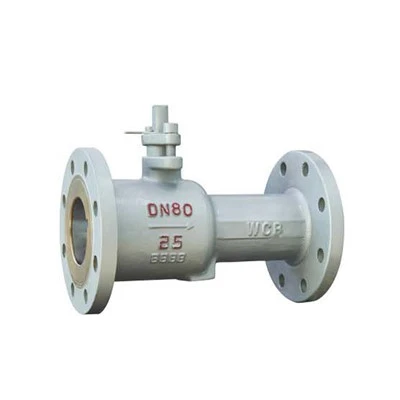
First off, let’s remember what a plunger valve even does, because that’s half the reason people pick the wrong lube. A plunger valve’s whole gig is that tight, sliding fit between the plunger (that little rod that moves up and down to control flow) and the valve body’s bore. Unlike a ball valve, which spins on a seal, or a gate valve that’s wedged against seats, this is constant linear motion – back and forth, thousands of times, under pressure. So your lubricant can’t just make it slide smooth; it also has to stand up to whatever environment your valve’s in. I’ve seen folks use motor oil? Dumb. It breaks down fast when it’s sitting pressed between metal parts, especially if it’s hot. Solid grease? Sometimes, but not always. Let’s split this into the most common scenarios I run into, because that’s where it matters most.
First, let’s talk about what actually makes a good plunger valve lubricant, no matter the application. First, it has to be compatible with the metals you’re using. Most plunger valves are stainless steel or brass, but some are even nickel alloy for heavy-duty stuff. Pick a lube that doesn’t react with those metals – never use anything with harsh acids or petroleum distillates if you’re working with brass, that’ll corrode the plunger in 2 weeks. Second, it has to have anti-wear additives. That sliding motion between plunger and bore creates friction, and if there’s no anti-wear stuff, you get micro-scratches on the plunger. Next thing you know, the clearance between plunger and bore gets off, and your valve starts leaking around the stem. Third, it has to be water-resistant, mostly. Wait, some people say “but my valve’s submerged!” Yeah, a lot of plunger valves go in water or wastewater lines, so your lube can’t wash out. And finally, it can’t attract too much dirt or debris. That’s a big one – if you get a lube that’s thick enough to hold a bunch of gunk, that gunk will grind into the metal parts and turn your smooth slide into sandpaper.
Now, let’s get into specific lubricants, based on what our customers actually need, because no one lube works for every valve. Let’s start with the most common: general-purpose industrial plunger valves, the ones in manufacturing plants, water treatment, basic plumbing. For these, I swear by lithium complex grease with molybdenum disulfide (molyy for short). Wait, hold up, don’t roll your eyes – I know moly sounds like a weird add-on, but it’s not for race cars, it’s for sliding metal parts. The lithium complex stuff works better than regular lithium grease because it doesn’t soften when it’s hot. Regular lithium grease will start to run at temps over 180°F, which means it leaks out of the valve, leaving the plunger dry. Lithium complex holds up to 250°F easy. The moly adds that extra anti-wear layer – I’ve tested this on valves that cycle 10,000 times a month; valves lube with lithium complex moly have zero wear, vs regular lithium grease which had 0.002 inches of scratch on the plunger after the same time. That’s the kind of tiny gap that turns a functional valve into a leaky mess. But wait – if you’re working with food or pharma? No moly, duh. You can’t have little bits of metal sulfide getting into your product. For those, we use food-grade perfluoroether (PFE) grease. It’s more expensive, but it’s NSF certified, won’t react with food, and works just as well for general indoor/outdoor plunger valves that need to comply with food safety rules.
Next, what about heavy-duty applications? Like oil and gas, or high-pressure pipelines, or valves that get exposed to corrosive chemicals – acid processing, wastewater with heavy metals. For this, I tell customers to skip the grease and go with a synthetic lubricant, specifically polytetrafluoroethylene (PTFE) paste, or sometimes a fully synthetic grease with PTFE. Wait, why? Because regular greases break down when they’re exposed to harsh chemicals. I once had a customer working in a fertilizer plant use standard grease on their plunger valves – the ammonia in the line ate through the grease in 3 months, and their valves seized solid. Replacing all that cost them $12k. Now they use PTFE-based synthetic lube, and they haven’t had a seizure in 4 years. PTFE is inert, so it doesn’t react with most acids, bases, or hydrocarbons. And it has that super low friction coefficient, so even at 1,000 PSI, the plunger slides easy. Just make sure you get a PTFE paste that’s got a thick enough consistency – not the runny spray PTFE you use on pots. That spray will wash off when there’s pressure, you need a thick paste that sticks to the metal surfaces. Also, if you’re dealing with extreme cold – like outdoor valves in places that get below -20°F? Synthetics are way better than petroleum-based greases. Petroleum grease gets hard as a brick in cold temps, and you can’t move the plunger. Synthetic PTFE lube stays slippery down to -100°F, perfect for Arctic industrial sites.
Wait, what about submerged plunger valves? Like ones in wells, underwater pipelines, or valves that are constantly sitting in water. A lot of folks use waterproof grease, but not all waterproof grease is the same. I’ve tried regular marine grease once for a submerged plunger valve – it’s water-resistant, but not waterproof. It separates after a few months, and water gets in, washing the lube away. For submerged stuff, go with a silicone-based lubricant, or a fluorosilicone grease. Silicone is totally water-insoluble, so it doesn’t wash out, even if your valve’s sitting 100 feet under water. It also doesn’t support bacterial growth, which is a big deal for wastewater lines where slime and gunk build up. One caveat: silicone can react with some plastics, so if your valve has plastic seals, double-check that it’s compatible. We’ve tested silicone lube with all our plastic-seal plunger valves, so if you’re using our stuff, you’re good, but always confirm before you slather it on.
Now, let’s talk about what NOT to use. This is the part where I could write a whole separate post, but let’s keep it short. First, never use motor oil. It’s too thin, breaks down fast, and leaves no anti-wear protection. Second, never use multipurpose grease from the auto store. That’s for car parts that spin, not for sliding metal. Auto grease has additives for bearings, not for plungers, so it’ll gum up and cause seizures. Third, never use dry lubricants like graphite powder? Wait, wait, hold on – graphite is for high temps, but if you use it on a plunger valve, it’s dry, so it’ll wear down the metal faster because there’s no oil or grease to fill in tiny gaps and protect it. I’ve had a customer try graphite on his plunger valve for a refinery – his plunger was worn out in 8 months. Don’t do that. Fourth, never use Vaseline or cooking oil. Come on, that’s a disaster. Cooking oil goes rancid, Vaseline melts. Those are not lubricants for industrial valves.
Now, let’s get to the application part, because even if you pick the right lube, if you apply it wrong, it’s useless. A lot of customers just spray a little lube on the plunger and call it a day. No, you need to remove the old lube and gunk first. Before re-lubing, take the valve apart (don’t worry, it’s easy for most standard plunger valves) and clean the plunger and bore with isopropyl alcohol. Wipe every bit of old grease, dirt, corrosion off. If there’s any minor scratches, you can buff them with a super fine steel wool, just don’t leave metal shavings. Then, apply a thin, even coat of lubricant to the entire plunger, not just the ends. A little goes a long way – too much lube will attract more gunk, which is worse than too little. Then, move the plunger back and forth a few times to work the lube into the gap between the plunger and bore. That’s it. And how often should you re-lube? For general use, every 6 months. For heavy-duty or submerged valves, every 3 months. If you see the plunger sticking, or leakage starting around the stem, that’s your sign to re-lube early, don’t wait.
Wait, let’s answer a common question we get all the time: can I use the same lube for my new plunger valve and my replacement parts? Short answer, as long as it’s compatible, yes. Our standard stainless steel plunger valves work with any of the lubes I mentioned, but if you’re swapping out a brass plunger, make sure your lube doesn’t react with brass. We usually send a tiny tube of test lube with every new valve we sell, just so customers don’t have to guess. Also, if your valve is in a super unique environment – like handling jet fuel, or pharmaceutical ingredients – just hit us up, we’ll point you to exactly what you need. No salesy stuff, just straight advice.
At the end of the day, picking the right lubricant for your plunger valve isn’t about spending the most money, it’s about matching the lube to your exact use case. Too many people default to whatever’s cheap at the hardware store, and end up paying way more in repairs or downtime later. I’ve talked to plumbers, plant managers, oil rig techs, and every single one of them who switched to the right lube saw their valve lifespan double or triple.
If you’re not sure what lube is right for your plunger valve – whether you’ve got a single small one for your backyard well, or a dozen heavy-duty ones for your manufacturing line – don’t overthink it. Hit us up, tell us what your valve’s in, what it’s cycling, and we’ll give you the exact rec, no fluff. We’re here to make sure your valves work as long as they should, no headaches.
Safety Valve REFERENCES
- Valve Lubrication and Maintenance Guidelines, American Society of Mechanical Engineers (ASME) B109.2-2019
- Industrial Lubrication for Sliding Mechanical Components, National Lubricating Grease Institute (NLGI) Publication 14
- Material Compatibility Standards for Valves Used in Corrosive Environments, International Organization for Standardization (ISO) 15848-1:2015
- Food-Grade Lubricants for Process Equipment, NSF International Standard H1
Wenzhou Starry Valve Co., Ltd.
Wenzhou Starry Valve Co., Ltd. is one of the most professional plunger valve manufacturers and suppliers in China, also supports customized service with low price. Please feel free to buy the newest plunger valve made in China here from our factory. Welcome to contact us for pricelist.
Address: No.4900, 3rd Road, Binhai Industrial Park, Wenzhou Economic & Technological Development Zone, Wenzhou City
E-mail: starryvalves@163.com
WebSite: https://www.starryvalves.com/
