Poly bag agriculture has emerged as a game – changer in modern farming, offering numerous benefits such as efficient water use, better nutrient management, and enhanced crop protection. As a poly bag agriculture supplier, I understand the critical role that the quality of poly bags plays in the success of this agricultural approach. In this blog, I will share some key strategies on how to maintain the quality of poly bags in poly bag agriculture. Poly Bag Agriculture
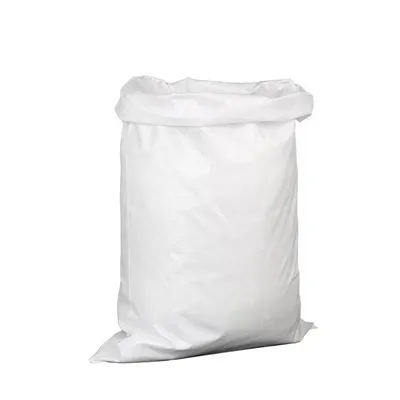
1. Material Selection
The foundation of high – quality poly bags lies in the selection of the right materials. When sourcing raw materials, it is essential to choose polymers that have excellent physical and chemical properties. For instance, polyethylene (PE) is a popular choice due to its flexibility, durability, and resistance to moisture. High – density polyethylene (HDPE) offers greater strength and stiffness, making it suitable for larger poly bags or those that need to support heavier soil and crops. Low – density polyethylene (LDPE), on the other hand, is more flexible and transparent, which can be beneficial for applications where light transmission is required.
It is also crucial to consider the additives used in the polymer. Anti – UV additives can significantly extend the lifespan of poly bags by protecting them from the harmful effects of sunlight. Oxidation inhibitors prevent the degradation of the polymers over time, ensuring that the bags maintain their integrity and strength. By carefully selecting materials and additives, we can produce poly bags that are reliable and long – lasting.
2. Manufacturing Process
The manufacturing process has a direct impact on the quality of poly bags. We adhere to strict quality control measures at every stage of production. First, the polymers are melted and extruded into thin films. The extrusion process must be carefully calibrated to ensure uniform thickness and width of the films. Any irregularities in the film can lead to weak spots in the poly bags, making them more prone to tearing or puncturing.
After extrusion, the films are cut and sealed to form poly bags. The sealing process is critical, as a poor seal can result in leaks, which can compromise the integrity of the soil and water inside the bags. We use advanced sealing techniques such as heat sealing, which creates a strong and reliable bond between the film layers. Additionally, we conduct regular quality checks during the manufacturing process to detect and correct any defects promptly.
3. Storage Conditions
Proper storage of poly bags is often overlooked but is vital for maintaining their quality. Poly bags should be stored in a cool, dry place away from direct sunlight. Exposure to high temperatures and sunlight can cause the polymers to degrade, leading to brittleness and reduced strength. We recommend storing poly bags in a warehouse with controlled temperature and humidity levels.
It is also important to protect the poly bags from physical damage during storage. They should be stacked neatly and not over – compressed, as this can cause creasing and weakening of the material. Additionally, we advise against storing poly bags near sharp objects or chemicals that could potentially damage the bags.
4. Handling and Installation
During handling and installation, care must be taken to avoid damaging the poly bags. Workers should be trained on proper handling techniques, such as lifting the bags from the bottom rather than grabbing them by the top edges, which can cause tearing. When installing the poly bags, they should be placed on a smooth and level surface to prevent punctures from sharp stones or debris.
If the poly bags are being used in a vertical farming system, they should be securely attached to the support structure. Loose or poorly attached bags can sway in the wind, increasing the risk of damage. We provide detailed installation instructions to our customers to ensure that the poly bags are installed correctly and safely.
5. Monitoring and Maintenance
Once the poly bags are in use, regular monitoring is essential to detect any signs of damage or degradation. Farmers should inspect the bags regularly for tears, holes, or signs of UV damage. If any issues are detected, they should be addressed immediately. Small tears can be repaired using appropriate repair tapes or adhesives, while more severe damage may require replacing the entire bag.
In addition to physical inspections, it is also important to monitor the environmental conditions within the poly bags. For example, excessive moisture can lead to the growth of mold and mildew, which can damage the bags and harm the crops. Proper ventilation and drainage systems should be in place to maintain optimal environmental conditions.
6. Recycling and Reuse
As a responsible supplier, we encourage our customers to recycle and reuse poly bags whenever possible. Recycling not only reduces waste but also helps to conserve natural resources. Poly bags can be recycled into new plastic products, such as plastic lumber or other agricultural accessories.
For some applications, poly bags can be reused multiple times. After each harvest, the bags can be cleaned, inspected, and repaired if necessary. By reusing poly bags, farmers can reduce their costs and minimize their environmental impact.
Conclusion
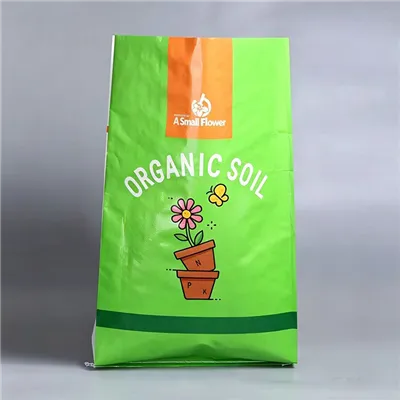
Maintaining the quality of poly bags in poly bag agriculture is a multifaceted process that requires careful attention to material selection, manufacturing, storage, handling, monitoring, and recycling. As a poly bag agriculture supplier, we are committed to providing our customers with the highest – quality poly bags and the support they need to ensure their success.
BOPP Woven Bags If you are interested in purchasing high – quality poly bags for your agricultural needs, we invite you to contact us for a detailed discussion. We can offer personalized advice based on your specific requirements and help you find the best solutions for your farm.
References
- Brady, G. S., Clauser, H. R., & Gilchrist, J. A. (2016). Materials Handbook: An Encyclopedia of Materials, Methods, and Design. McGraw – Hill Professional.
- Brown, R. (2018). Plastic Films: Technology and Packaging Applications. CRC Press.
- Pillai, C. K. S., Sharma, C. P., & Kumar, A. (2019). Plastics in Agriculture: Industrial Applications and Biodegradability. Springer.
Liaoning Xunlian Packaging Products Co., Ltd.
Liaoning Xunlian Packaging Products Co., Ltd. is one of the most professional poly bag agriculture manufacturers and suppliers in China, featured by quality products and good service. Welcome to wholesale CE approved poly bag agriculture made in China here and get quotation from our factory. Customized orders are welcome.
Address: Chaoyang Industrial Park, Kangping, Shenyang, Liaoning, China.
E-mail: info@xunlianpack.com
WebSite: https://www.xunlianpack.com/
