Hey there! I’m a supplier of pipe fittings, and I’ve seen firsthand how corrosion can mess with these crucial components. In this blog, I’ll spill the beans on the effects of corrosion on pipe fittings, straight from the trenches of the industry. Pipe Fittings
Let’s start with the basics. Corrosion is basically the deterioration of a material, in this case, pipe fittings, due to chemical reactions with its environment. It’s like a slow – motion attack on your pipes, and it doesn’t care if they’re made of steel, copper, or any other common material for pipe fittings.
One of the most obvious effects of corrosion is on the structural integrity of pipe fittings. When corrosion starts eating away at the material of a pipe fitting, it weakens the metal. Think of it like a termite infestation in a wooden house. At first, you might not notice much, but over time, the termites chew through the wood, making the whole structure unstable. Similarly, as corrosion progresses in a pipe fitting, the metal loses its strength. Cracks can start to form, and in extreme cases, the fitting can even break apart. This is a huge problem, especially in systems where the pipes are carrying liquids or gases under high pressure. A broken pipe fitting can lead to leaks, and those leaks can cause a whole host of other issues, from property damage to safety hazards.
For example, in a water supply system, a corroded pipe fitting can start to leak water. This might seem like a minor annoyance at first, but if left unchecked, it can cause water damage to walls, floors, and ceilings. In an industrial setting, where pipes might be carrying chemicals or oil, a leak from a corroded fitting can be extremely dangerous. It can contaminate the surrounding area, pose risks to workers’ health, and even lead to fires or explosions in some cases.
Another major effect of corrosion on pipe fittings is reduced flow efficiency. As corrosion builds up inside the pipe fitting, it creates rough surfaces. These rough surfaces act like speed bumps for the fluid or gas flowing through the pipes. The fluid has to work harder to get through the fitting, which leads to a drop in flow rate. This means that the system has to use more energy to move the same amount of fluid. In a large – scale industrial system, this can result in significant energy wastage and higher operating costs.
Take a HVAC (Heating, Ventilation, and Air Conditioning) system as an example. The pipes in this system are responsible for circulating refrigerant or hot/cold water. If the pipe fittings are corroded, the flow of the fluid is restricted. This means that the system has to run for longer periods to achieve the desired temperature, using more electricity in the process. Over time, these increased energy costs can add up to a substantial amount of money.
Corrosion can also have a negative impact on the quality of the fluid or gas flowing through the pipe fittings. When the metal of the fitting corrodes, small particles of the corroded material can break off and enter the fluid stream. In a water supply system, these particles can make the water look dirty and unappealing. In some cases, they can even affect the taste and odor of the water. In industrial applications, the presence of corroded particles in the fluid can contaminate the product being processed. For instance, in a food and beverage manufacturing plant, if the pipe fittings are corroded, the particles can end up in the final product, which is a serious quality – control issue.
The impact of corrosion on the lifespan of pipe fittings is also significant. A well – maintained, non – corroded pipe fitting can last for decades. But when corrosion sets in, the lifespan of the fitting is drastically reduced. This means that you’ll have to replace the fittings more frequently, which can be expensive. Not only do you have the cost of buying new fittings, but there’s also the cost of labor for the replacement. In an industrial setup, there’s also the cost associated with system downtime during the replacement process.
Now, let’s talk about some of the factors that can contribute to corrosion in pipe fittings. One of the main culprits is the environment. If the pipe fittings are exposed to a harsh environment, such as a salty coastal area or an industrial setting with high levels of pollutants, they’re more likely to corrode. The moisture in the air can react with the metal of the fitting, especially if there are other corrosive substances present. For example, in a chemical plant, the fumes from the chemicals can accelerate the corrosion process.
The type of fluid or gas flowing through the pipes also matters. Some fluids are more corrosive than others. Acidic or alkaline solutions can eat away at the metal of the pipe fitting much faster than neutral fluids. For example, in a wastewater treatment plant, the pipes carrying the acidic or alkaline wastewater are at a higher risk of corrosion.
The quality of the pipe fittings themselves can also play a role. Cheaper, low – quality fittings might be made from inferior materials that are more prone to corrosion. On the other hand, high – quality fittings, which are often made from better – grade metals or have protective coatings, are more resistant to corrosion.
So, what can you do to prevent corrosion in pipe fittings? Well, there are a few things. One of the simplest ways is to choose the right type of pipe fitting for the application. If you’re in a harsh environment or dealing with corrosive fluids, consider using corrosion – resistant materials like stainless steel or PVC. You can also apply protective coatings to the fittings. These coatings act as a barrier between the metal and the environment, preventing the corrosive substances from reaching the metal.
Regular maintenance is also crucial. Inspect the pipe fittings regularly for signs of corrosion, such as rust or discoloration. If you catch the corrosion early, you can take steps to prevent it from getting worse. You might be able to clean the fittings and apply a new protective coating, for example.
As a pipe fittings supplier, I understand the importance of providing high – quality, corrosion – resistant products. That’s why I work closely with manufacturers to ensure that the fittings I offer are made from the best materials and have the right protective features. Whether you’re a homeowner looking for pipe fittings for your plumbing system or an industrial customer with large – scale pipe needs, I’ve got you covered.
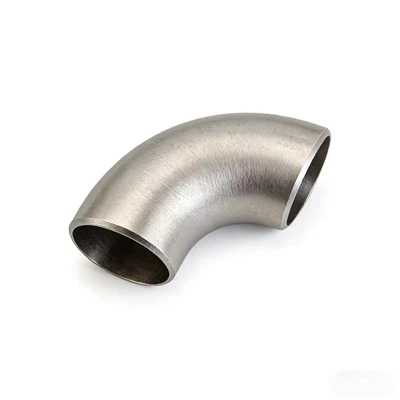
If you’re in the market for pipe fittings and want to avoid the headaches that come with corrosion, I’d love to talk to you. Get in touch, and we can have a chat about your specific requirements. I can help you choose the right fittings for your project and give you tips on how to keep them in top shape.
Fire Fitting References:
- "Corrosion and Corrosion Control" by Mars G. Fontana.
- "Handbook of Corrosion Engineering" by T.R. Beck.
- Industry research reports on pipe fitting materials and their performance in different environments.
Shanxi Yuanhang Machinery Construction Industry and Trade Co., Ltd.
We’re well-known as one of the most experienced pipe fittings manufacturers in China. With a professional production team, we are able to meet the needs of the majority of our customers. Welcome to buy discount pipe fittings in stock here from our factory. Contact us for pricelist and free sample.
Address: Taiyuan City, Shanxi Province
E-mail: anzhiyuan@yhmadeinprc.com.cn
WebSite: https://www.yhmadeinprc.com/
