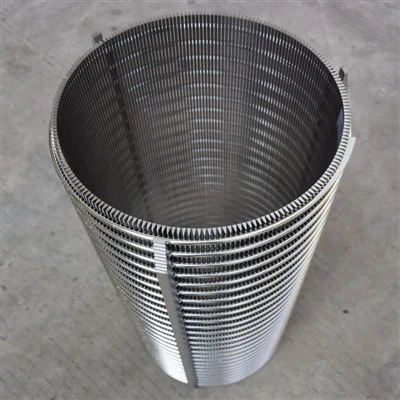
Troubleshooting a high flow water filter cartridge that isn’t working properly can be a complex but manageable task. As a supplier of high flow water filter cartridges, I’ve encountered numerous scenarios where customers face issues with the performance of these essential filtration components. In this blog post, I’ll share my insights and experiences on how to diagnose and resolve problems with high flow water filter cartridges. High Flow Water Filter Cartridge
Initial Assessment
The first step in troubleshooting a non – functioning high flow water filter cartridge is to conduct a thorough initial assessment. This involves gathering information about the filter’s installation, usage, and the symptoms of the problem.
Installation Check
Verify that the filter cartridge was installed correctly. Incorrect installation can lead to a variety of problems, such as leaks or reduced filtration efficiency. Check that the cartridge is properly seated in the filter housing, and all connections are tightened to the appropriate specifications. Any loose connections can allow unfiltered water to bypass the cartridge, resulting in poor water quality.
Usage History
Understand how the filter has been used. Inquire about the volume of water that has passed through the filter, the frequency of use, and the quality of the incoming water. High flow water filter cartridges are designed to handle a certain flow rate and a specific amount of contaminants. If the incoming water is extremely dirty or the flow rate is consistently higher than the cartridge’s rated capacity, it can lead to premature clogging or damage.
Symptoms Analysis
Identify the symptoms of the problem. Common symptoms include low water flow, poor water quality, or an unusual noise during filtration. Low water flow may indicate a clogged cartridge, which can be caused by excessive sediment, debris, or microbial growth within the cartridge. Poor water quality can be a sign of a damaged cartridge or improper filtration, perhaps due to a manufacturing defect or incorrect installation. Unusual noises could be a result of air in the system, a loose cartridge, or a malfunctioning pump.
Visual Inspection
Once the initial assessment is complete, a visual inspection of the filter cartridge can provide valuable clues about the problem.
External Inspection
Examine the outside of the filter housing for any signs of damage, such as cracks or leaks. Even a small crack can compromise the integrity of the filtration system and allow unfiltered water to mix with the filtered water. Check the seals around the cartridge and the inlet and outlet connections. Damaged or worn – out seals can cause leaks and affect the performance of the filter.
Cartridge Removal and Inspection
If possible, remove the filter cartridge from the housing. Inspect the cartridge for visible signs of damage, such as tears, holes, or excessive dirt buildup. A torn cartridge will not effectively filter water, and a heavily soiled cartridge may need to be replaced. Pay attention to the pleats of the cartridge (if it is a pleated design). If the pleats are collapsed or clogged, it can significantly reduce the flow rate and filtration efficiency.
Performance Testing
In addition to the visual inspection, performance testing can help determine the root cause of the problem.
Flow Rate Measurement
Measure the actual flow rate of water through the filter. Compare the measured flow rate with the rated flow rate of the cartridge. A significant decrease in the flow rate may indicate a clogged cartridge. To measure the flow rate, you can use a flow meter installed at the outlet of the filter. If the flow rate is below the expected level, you may need to clean or replace the cartridge.
Water Quality Testing
Test the quality of the water before and after the filter. Use appropriate water testing kits to check for contaminants such as sediment, chlorine, heavy metals, or bacteria. If the water quality after filtration is not as expected, it could be due to a damaged cartridge, improper installation, or an overload of contaminants. For example, if the sediment levels in the filtered water are still high, it may suggest that the cartridge is not effectively removing sediment.
Common Problems and Solutions
Clogged Cartridge
A clogged cartridge is one of the most common problems with high flow water filter cartridges. It can be caused by a high concentration of sediment, debris, or microbial growth in the incoming water.
Solution: If the cartridge is only slightly clogged, you may be able to clean it. Some cartridges can be backwashed or rinsed with clean water to remove the accumulated debris. However, if the clogging is severe, it is usually more effective to replace the cartridge. Regularly replacing the cartridge according to the manufacturer’s recommendations can prevent clogging issues.
Damaged Cartridge
A damaged cartridge can occur due to improper handling during installation, physical damage, or chemical degradation.
Solution: If the cartridge is damaged, it must be replaced immediately. When installing a new cartridge, take care to follow the installation instructions carefully to avoid future damage. Also, ensure that the incoming water is compatible with the cartridge material to prevent chemical degradation.
Incorrect Installation
Incorrect installation can lead to leaks, bypass of unfiltered water, and reduced filtration efficiency.
Solution: Re – install the cartridge following the manufacturer’s instructions. Make sure all connections are tight and the cartridge is properly seated in the housing. Check the orientation of the cartridge, as some cartridges have a specific flow direction.
Overloading
If the incoming water has a higher concentration of contaminants or a higher flow rate than the cartridge is designed to handle, it can lead to premature failure.
Solution: Consider upgrading to a cartridge with a higher capacity or installing a pre – filter to remove larger particles before the water reaches the high flow cartridge. This can extend the life of the high flow filter cartridge and improve its performance.
When to Contact the Supplier
In some cases, the troubleshooting steps may not resolve the problem. If you have tried all the above steps and the high flow water filter cartridge is still not working properly, it’s time to contact the supplier.
As a supplier, we have a team of experts who can provide in – depth technical support. We can analyze the situation based on the information you provide, such as the test results, installation details, and usage history. We may also be able to offer solutions tailored to your specific needs, such as recommending a different type of cartridge or providing replacement parts.
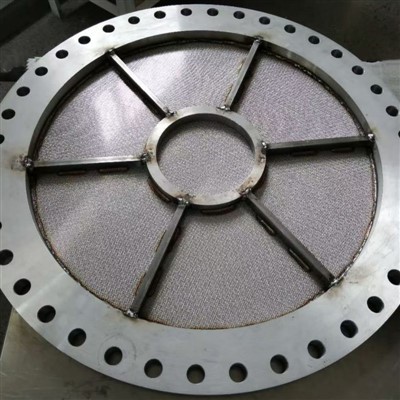
Wedge Wire Filter Screen If you are experiencing issues with your high flow water filter cartridges and need further assistance, don’t hesitate to reach out. Whether you are looking to solve an existing problem or are interested in purchasing new cartridges, we are here to help. Our team is dedicated to ensuring that you get the best performance from our products. Contact us to discuss your requirements and let’s work together to find the most suitable filtration solution for you.
References
- Filtration Handbook, Edited by Peter Gary, E. M. Purcell, and David Holdich
- Water Treatment Plant Design, Fourth Edition by McGraw – Hill Education
Henan Easy Filter Equipment Co., Ltd.
As one of the leading high flow water filter cartridge manufacturers and suppliers in China, we offer a wide range of products with superior quality. Please rest assured to buy advanced high flow water filter cartridge from our factory. We also accept customized orders.
Address: Apartment No.1, Building No.2, Zhengshang Jinyushijia, Xinzhong Street, Xinxiang, Henan, China.
E-mail: vivian@easyfiltertech.com
WebSite: https://www.easyfilter-china.com/
