As a motorcycle magneto stator supplier, I spend most of my days speaking with riders, mechanics, and even other parts manufacturers about what makes a stator last—or fail. I’ve seen firsthand that a stator isn’t just a static component sitting behind your engine’s covers; it’s the heart of your motorcycle’s electrical system. When it dies, you’re left stranded at the worst possible time, whether that’s on a backcountry dirt road or during a morning commute. Over the years, I’ve compiled a list of factors that regularly damage stators, and I want to share these with you so you can avoid the costly hassle of an early stator replacement. Let’s break down the most common culprits. Motorcycle Magneto Stator
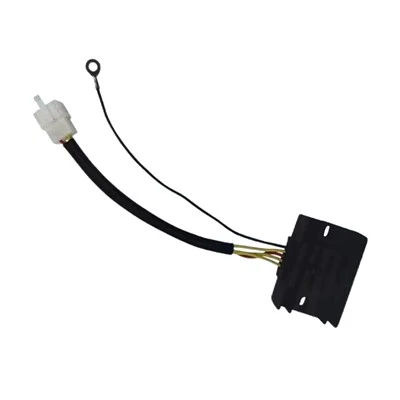
First, let’s start with heat—and not just a little heat, consistent, unregulated high temperatures. Stator windings are made of thin copper wire wrapped in insulating varnish, and their job is to generate alternating current (AC) as your engine’s flywheel spins around them. Every time current flows through that copper, it creates a small amount of resistance, which turns into heat. If that heat can’t escape, it builds up fast. I once had a customer come to me last year with a 2018 cruiser that had gone through three stators in 12 months. After walking through his maintenance routine, I learned he never washed his engine; every time he cleaned his bike, he used a high-pressure hose right where the stator is mounted, on the left side of the engine. Wait, you might be thinking—high-pressure hose usually leads to moisture, right? But the problem for his stator was the heat’s sidekick: hotspots. When water is blasted onto a hot engine, it cools the outside of the stator’s housing quickly, but the windings deep inside are still hot. That rapid temperature swing causes the insulating varnish to crack over time. Once the varnish cracks, copper windings can touch each other, creating a short circuit that burns out the stator. Even worse, riders who run modified exhaust systems that block the stator’s cooling fins or ride in stop-and-go traffic all day (where the engine idles for long periods without airflow) will see similar heat damage. I always tell my customers: if you notice your engine running hotter than usual, or if your headlight dims at idle, that’s a sign your stator is already stressed from heat.
Next, moisture and water intrusion are far sneakier than most riders realize. A stator is sealed, but not airtight—small gaps around electrical connections, the housing’s mounting bolts, or even tiny cracks from wear let water seep in over time. Once water gets inside, two things happen. First, water conducts electricity, so it can create unintended paths between windings, leading to a short. Second, even if the water doesn’t cause a short right away, it leads to corrosion. Copper windings oxidize when exposed to water, and over months or years, that oxidation eats away at the wire’s thickness until it can’t carry enough current. I saw another case a couple years ago with a dirt bike rider who regularly rode through deep river crossings. He assumed his stator’s seal was enough, but after a season of submerging his engine up to the stator mount, the water corroded the windings so badly that the stator failed mid-race. Even saltwater from coastal rides is worse, as salt speeds up corrosion exponentially. That’s why I recommend every rider who does a lot of water crossings to check their stator’s seals annually, and to spray a dielectric sealant on the electrical connections to add an extra layer of protection.
Then there’s the factor that’s often overlooked by new riders: wrong or mismatched electrical loads. Every stator is designed to output a specific amount of power, matched to your motorcycle’s stock electrical system. If you start adding aftermarket accessories without upgrading your stator or regulator-rectifier (the component that converts AC to direct current for your battery and electronics), you’re putting way more stress on the stator than it was built to handle. For example, a friend of mine who races off-road installed a 1,000-watt auxiliary light bar on his dirt bike, on top of his stock headlight, turn signals, and battery charger for a GPS. His stock stator was only rated for 300 watts total, so it had to work three times as hard as it was designed to. The extra current caused the copper windings to heat up so fast that the insulation melted, and he burned out the stator in two months. Even something as simple as a bad regulator-rectifier can damage the stator. If the regulator isn’t working right, it can send too much voltage back to the stator, overloading the windings. I’ve seen stators burn out because the regulator let voltage spike to 18 volts when it should cap at 14, over and over again, for weeks before the rider noticed. Always make sure any aftermarket accessories are matched to your stator’s wattage, and get your regulator checked if you’re having electrical issues—don’t just replace the stator and hope it works.
Mechanical damage is another big one, and it’s not just from dropping your bike (though that can definitely crack the stator’s housing). The stator is mounted stationary inside the engine, right next to the flywheel, which spins at thousands of RPM. If there’s too much clearance between the stator and the flywheel, or if the flywheel is out of balance, the two can rub together. Even a tiny rub will wear away at the stator’s windings over time, creating small tears in the insulating varnish. One customer had a 2015 sport bike that started making a high-pitched whine at high RPM, then died. When we took the stator out, we found that the flywheel’s keyway had worn down, so the flywheel was shifting slightly as it spun. It was rubbing the stator’s copper windings so much that it had cut through half the wires. Even debris inside the engine can cause damage: small metal shavings from worn engine parts can get caught between the stator and flywheel, acting like sandpaper and wearing down the windings. That’s why regular oil changes and engine inspections are so important—catching worn parts early can prevent stator damage that would cost way more to fix.
Finally, age and general wear and tear. Like all electrical components, stators don’t last forever. Most stock stators last between 30,000 and 60,000 miles, depending on how you ride and maintain your bike. But even if you don’t do anything wrong, the insulating varnish on the windings breaks down over time from exposure to heat, oxygen, and vibration. Vibration is a huge factor here: every time your engine runs, it shakes, and that vibration can loosen the connections between the windings over years of use. I’ve seen stators on 10-year-old bikes fail just from natural wear, with no other obvious damage. The good news is that a high-quality aftermarket stator, like the ones we supply, is often built with better insulation and higher-grade copper than stock, so it can last 20 to 30% longer with proper care.
Now, I know a lot of riders might read this and think, “That’s a lot of things to worry about.” But here’s the thing: most stator failures are preventable, with regular checkups and smart upgrades. If you’re noticing dim lights, a dead battery, or your engine cutting out at high RPM, don’t ignore those signs—bring your bike to a mechanic who can test your stator before it fails completely.

If you’re a rider looking for a reliable replacement stator, or a shop owner needing bulk parts for your customers, I’m here to help. I don’t just sell stators; I’ve been working with these components for years, so I can answer any questions you have about matching the right stator to your bike, or how to extend its lifespan. I’m happy to walk through your specific needs, whether you need a replacement for a street bike, dirt bike, cruiser, or ATV.
Motorcycle Magneto Stator References:
- Motorcycle Engineering Handbook: Electrical Systems and Components, 4th Edition
- Society of Automotive Engineers (SAE) Standard J1300: Motorcycle Electrical Component Reliability Testing
- International Organization for Standardization (ISO) Standard 13269: Motorcycle Magneto Stator Performance Requirements
- Motorcycle Mechanics Institute (MMI) Curriculum: Electrical System Diagnosis and Repair, 2022 Edition
Maixing Electromechanical Co., Ltd.
As one of the most professional motorcycle magneto stator manufacturers and suppliers in China, we warmly welcome you to wholesale discount motorcycle magneto stator for sale here from our factory. All customized products are with high quality and low price. Contact us for quotation and free sample.
Address: No.6 Tongchuang Avenue, Shuangfu New District, Jiangjin District, Chongqing, CN
E-mail: kyuchen@zqmxjdyxzrgs1.wecom.work
WebSite: https://www.mx-electrical.com/
