When I first started selling collaborative robots (cobots) over five years ago, most of the toy industry was a world away from my clients—auto parts manufacturers, electronics assembly lines, and food packaging facilities. I’d sit in my office, watching factory floors grow smarter with robots that worked safely alongside human teams, and I’d wonder: what about the toy industry? That’s not just a business; it’s about making things that bring joy to kids all over the world. Today, I’m here to tell you that cobots aren’t just a fit for the toy industry—they’re a game-changer, and we’ve been helping toy makers make that shift for the past two years. Cobot
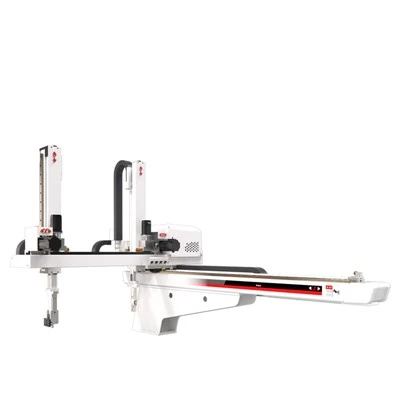
Let’s start with the core challenge toy manufacturers face that makes cobots so perfect. For decades, toy production relied heavily on manual labor for small, repetitive tasks: assembling tiny plastic figurine parts, attaching eyes to stuffed animals, packaging small components into blister packs, and quality checking for defects like uneven paint or loose buttons. But the toy market is volatile. Trends change overnight—one month everyone wants dinosaur figurines, the next it’s space-themed action figures. That means toy factories need flexibility to switch production lines quickly, not the fixed, large industrial robots that take weeks to reconfigure. Large industrial robots also require expensive safety cages, which take up valuable floor space in factories that often have limited room. That’s where cobots come in: they’re flexible, easy to program, and safe enough to work right next to human workers without heavy safety infrastructure.
I remember a conversation I had with a toy production manager named Maria at a mid-sized factory in Mexico. She’d been dealing with two big headaches: high turnover on her assembly lines and inconsistent product quality. “We were hiring people just to do the same small task 12 hours a day,” she told me. “Kids’ toys have tiny parts—pinch points, sharp edges on plastic molds. Workers got tired, made mistakes, and quit. Then we’d have to train new people every month, which was costly and slowed down production.” When we installed our first cobot at her factory, programmed to assemble the limbs of 10-inch dinosaur figurines, she saw a difference immediately. The cobot could pick up the small plastic parts with precise grippers, press them together with consistent pressure, and repeat the task 1,200 times an hour without getting fatigued. It only took her team 20 minutes to reprogram the cobot to work on unicorn figurines a month later—something a large industrial robot would have taken three days to adjust for. Within six months, Maria’s defect rate dropped by 30%, and her worker turnover fell by 40%. Those are numbers that make any manufacturing manager sit up and take notice.
But it’s not just assembly that works with cobots. Packaging is another area where cobots shine. Toy packaging often involves blister packs—clear plastic shells that hold action figures, board game pieces, or dolls. Blister packing requires placing small items accurately into the cardboard backing, sealing the plastic, and applying labels. Again, this is repetitive work that’s perfect for cobots. One of our clients, a board game manufacturer in Germany, used to have two full-time workers doing nothing but packaging game dice and cards into boxes. They installed a single cobot that could sort dice into sets, place cards into boxes, and apply product labels. Now, those two workers are moved to more creative, value-added tasks like assembling game boards and testing playability—tasks that require human judgment, not repetitive motion. That’s a big shift for the toy industry, which has long viewed packaging as strictly manual.
Quality control is another area where cobots add huge value. Toy safety is non-negotiable—manufacturers have to ensure no small parts can break off, paint is non-toxic, and all components meet strict international standards (like ASTM F963 in the U.S. or EN 71 in Europe). Manual quality control is prone to human error; workers can miss a tiny scratch on a plastic part or a loose thread on a stuffed animal. Cobots equipped with simple vision systems can inspect products with far higher accuracy. We recently worked with a stuffed toy maker in Vietnam that installed cobots with 2D and 3D cameras to check every stuffed bear for loose eyes, uneven stitching, and frayed fabric. The cobot scans each bear in three seconds, flags defects, and separates faulty products for rework. Before, the factory had a 12% defect rate; now it’s down to 2%, and they’re meeting regulatory requirements 100% of the time. That’s not just better quality—it’s reduced waste, which cuts costs significantly.
I know what some toy factory owners might be thinking: cobots are expensive, right? And what if we don’t have technical staff to program them? Let’s address those concerns head-on. First, cobot prices have dropped by more than 50% in the past decade, making them accessible to mid-sized and small toy manufacturers that couldn’t afford industrial robots just a few years ago. Second, programming a cobot is nothing like programming a traditional robot. Our cobots use “lead-through” programming—you can physically move the robot arm to show it the task you want, and it memorizes the movements. No coding skills required. We also provide on-site training for all our clients, so their operators feel comfortable using the cobot within a day. Maria, the Mexican toy manager I mentioned earlier, told me her team was nervous about learning cobots, but after the 4-hour training, one of her line workers had the cobot running on a new product line the next morning.
Another common myth: cobots can’t handle heavy toys, so they’re only good for small parts. That’s outdated. We have cobots with a 10kg payload (that’s about 22 pounds) which can handle medium-sized toys like remote-controlled cars, building block sets, and even small bikes. We’ve also worked with a manufacturer of wooden toy kitchens that uses a cobot to sand down the edges of the kitchen cabinets, a task that used to be done manually and often caused hand fatigue for workers. The cobot’s force control technology ensures it sands evenly, so every edge is smooth and safe for kids.
Of course, every industry has its challenges, and the toy industry is no exception. One of the biggest hurdles for toy makers is the variety of products they produce. Unlike auto factories that make one model for months, a toy factory might make 10 different products in a single quarter. But that’s exactly what cobots excel at—flexibility. We’ve had clients who switch their cobot between assembling Lego-style building blocks, plastic action figures, and plush toys, each time reprogramming it in under 30 minutes. That level of adaptability is critical for toy manufacturers who need to respond quickly to seasonal trends or viral toy hits. For example, when a TikTok toy trend for miniature collectibles exploded last year, a toy factory in Poland was able to ramp up production in two weeks by reconfiguring their existing cobots, rather than waiting months to install new fixed robots.
Another challenge is ensuring that cobots work seamlessly with existing human workers. Some factory staff worry robots will take their jobs, but in every case we’ve seen, cobots have created new jobs or reallocated workers to more meaningful tasks. At the Vietnamese stuffed toy factory, the quality control team used to have 15 workers; now they have 5, and those 10 former workers are now part of the product development team, testing new toys and providing feedback on design. That’s a win-win: workers are happier doing more creative work, and the factory has higher quality products. We also design our cobots to be collaborative by nature—their soft arms and force sensing mean if a worker accidentally bumps into one, it stops immediately, no safety cage needed. That makes the transition to cobots feel less like replacing workers and more like adding a helpful teammate.
Let’s talk about long-term benefits too. Toy manufacturers have to think about sustainability, both for their bottom line and for their brand. Consumers now expect brands to reduce waste and use efficient production methods. Cobots help with that by reducing defect rates (so less faulty product is thrown away) and cutting energy use—cobots use about a quarter of the energy of large industrial robots, since they only use power when they’re working. A 2023 study by the International Federation of Robotics found that cobot use in consumer goods (which includes toys) reduces production waste by an average of 18%, thanks to consistent precision. That’s a big number for a toy industry where even a small amount of waste per line adds up over millions of units.
I’ve spent five years in this business, and I’ve worked with manufacturers across every sector, but the toy industry is one of the most rewarding. When you see a cobot that’s assembling a toy car work side-by-side with a human worker, and then that toy car goes on to a store where a little kid will buy it and play with it—there’s no better feeling than knowing you helped make that happen. We’re not just selling robots; we’re helping toy makers keep up with a fast-changing market, keep their workers happy, and make products that kids love.
If you’re a toy factory owner, operations manager, or production supervisor who’s curious about how cobots could work for your facility, I’d love to connect. We’ve worked with manufacturers of all sizes, from small family-owned shops to large global brands, and we can work with you to design a custom solution that fits your specific production needs. Don’t let the idea of automation feel overwhelming—cobots are built for this kind of dynamic, creative industry, and they’re ready to help you grow.
If you’re ready to discuss how cobots can improve your toy production, reach out to us to schedule a consultation. We’ll come to your facility, walk through your current processes, and show you exactly how our cobots can integrate with your team.
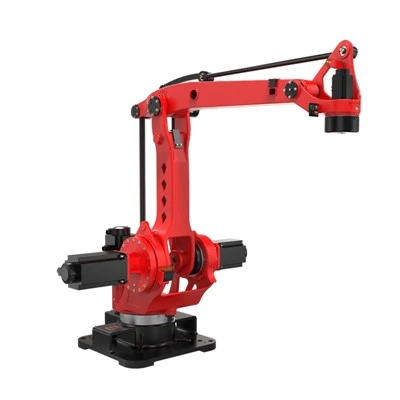
Palletizing Robot References
- International Federation of Robotics. (2023). Collaborative Robots in Consumer Goods Manufacturing. Global Robotics Report.
- European Committee for Standardization. (2022). Safety Standards for Toy Manufacturing Automation. EN 71-5:2022.
- American Society for Testing and Materials. (2021). Quality Control in Toy Production Using Robotic Vision Systems. ASTM F963-21.
- Manufacturing Extension Partnership. (2023). Case Studies: Cobot Adoption in Small and Mid-Sized Toy Manufacturers. U.S. Department of Commerce.
- International Labour Organization. (2022). Human-Robot Collaboration in Light Manufacturing: Benefits for Worker Retention. ILO Work and Employment Series.
Robotic Technology (GD) Co., Ltd.
As one of the most professional cobot manufacturers and suppliers in China, we have world-leading production equipment and strong manufacturing capabilities. Please feel free to buy durable cobot for sale here from our factory. Also, custom service is available.
Address: Room 102, No.30, Hengfeng 2nd Road, Daguo, Changping Town, Dongguan City, Guangdong, China
E-mail: admin@iroboticplus.com
WebSite: https://www.rbtic-tech.com/
