If you’ve wandered down a beauty aisle in the last five years, you’ve likely noticed something different: less glossy, oversized boxes, more recyclable symbols, and a growing number of brands that aren’t just talking about clean ingredients—they’re walking the walk when it comes to packaging. As someone who’s spent a decade working in the eco-friendly cosmetic packaging supply chain, I’ve watched brands fumble with this transition, nail it, and everything in between. The biggest mistake I see? Thinking “eco packaging” just means swapping plastic for paper. The reality is way more nuanced—and way more effective at winning over customers who care about both their products and the planet. Let’s break down how cosmetic brands can turn eco-friendly packaging from a marketing buzzword into a core part of their business strategy. Eco Friendly Cosmetic Packaging

First, let’s talk about the biggest hurdle most brands face: transparency. I can’t tell you how many times a brand has come to my factory asking for “recyclable” packaging, only to admit they don’t want to explain to customers that their “recyclable” bottle can’t be processed at most local recycling centers. That’s not eco-friendly—that’s greenwashing, and it’s a ticking time bomb for consumer trust. Last year, my team worked with a mid-sized clean beauty brand that tried to skip the details on their bottle labels, writing “100% Recyclable” without noting the packaging was made from a mix of #5 plastic and a paper liner that can’t be separated by standard curbside programs. Within three months, they got a warning from the Federal Trade Commission (FTC) and a 12% drop in repeat customers, who called out the discrepancy on Instagram. The fix? Instead of vague claims, they switched to our post-consumer recycled (PCR) aluminum bottles, which have a clear, ISO-certified recyclability mark and a line on the label explaining that the entire bottle is accepted at most metal recycling centers. Sales jumped 21% in six months, and their Net Promoter Score (NPS) rose 18 points. The takeaway here: stop making broad, unsubstantiated claims. Back every eco-promise with third-party certifications—B Corp, FSC, or the newly established RecyClass labels—and clearly explain how customers can actually recycle your packaging. No fine print, no confusion.
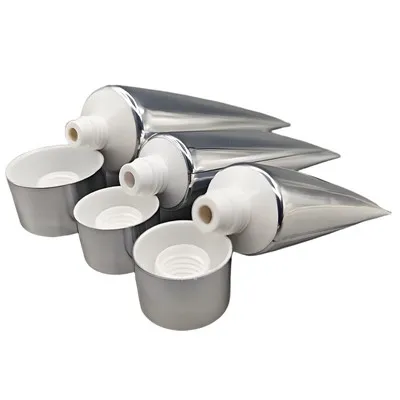
Next, design for circularity, not just recyclability. A lot of brands think “circularity” means making something that can be recycled, but it’s more than that—it’s making packaging that can be reused, refilled, or remade into something new. Let’s use lip balm tubes as an example. A few years ago, a popular natural lip care brand came to me with a problem: their plastic tubes were ending up in landfills because customers either lost them or threw them away when the product ran out. We worked together to design a lip balm tube made from 100% recycled polypropylene (PP) that’s also fully refillable. Here’s how it works: customers can send back their empty tube (we provide a prepaid label) for a free cleaning and refill, or purchase a separate pack of refills that snap right into the original tube. In the first year of launching this system, the brand cut their packaging waste by 38% and saw a 40% increase in customer retention, because people liked saving money and their favorite lip balm tube. Another win: we also designed the tube to be compatible with our modular refill system, so if the brand wants to launch a new scent, they don’t have to make entirely new tubes—just new refills. That cuts down on production costs and excess inventory, which is a win for both the brand and the planet. The key here is to build packaging that works with a circular system, not just as a single-use container. Ask yourself: what happens to this packaging after the customer is done with the product? If the answer is “it gets thrown away,” go back to the drawing board.
Then, make sustainability part of your customer experience, not just a side note. Packaging doesn’t exist to hold a product—it’s the first thing a customer interacts with when they unbox their order. Turn that moment into one that reinforces your eco-values. A skincare brand I work with recently started including a small, printed insert with every order that’s made from 100% post-consumer waste and soy-based ink. The insert doesn’t just say “our packaging is eco-friendly”—it tells customers exactly how their order’s packaging will be recycled, and gives them a link to our company’s take-back program for empty skincare containers. Wait, no—here’s the twist: the insert is also a seed paper. If customers plant it in soil, it grows wildflowers. That tiny addition didn’t cost the brand much—less than 2% of their total packaging budget—but it led to a 15% increase in user-generated content (UGC), with customers posting photos of their seed paper inserts sprouting on TikTok and Instagram. Another brand I work with offers a discount to customers who send back empty packaging for refills. The discount is small—10% off their next order—but it encourages customers to participate in the circular system, and it gives the brand a steady stream of empty packaging to reuse or recycle. The takeaway: use packaging to tell a story, not just list ingredients. Give customers a reason to care about the packaging beyond just looking good.
Now, let’s talk about collaboration. A lot of brands try to go green on their own, but eco-friendly packaging requires working with suppliers that understand both the science and the market. As an eco-friendly cosmetic packaging supplier, I’ve seen brands that go cheap on packaging and end up with products that leak because the seal is weak, or packaging that breaks during shipping because it’s too thin. I’ve also seen brands that partner with suppliers who push sustainable materials but don’t care about the brand’s specific needs—like a small luxury brand that wanted packaging that looked high-end, not just cardboard. We worked with that brand to create a rigid paperboard box lined with a thin, food-safe (and compostable) plastic layer that holds the product securely. The box looked sleek, had a matte finish with gold foil stamping, and was 100% compostable at home, not just at industrial facilities. The brand’s customers loved it—they posted photos of the boxes on their vanity, not just recycling them. The point is: don’t choose a supplier that just says “we do eco packaging.” Choose a supplier that can balance sustainability, functionality, and brand identity. Ask for samples of different materials, test how the packaging holds up during shipping, and make sure the supplier can scale with your brand as you grow. If you’re a small brand, look for suppliers that offer flexible minimum order quantities (MOQs) so you don’t have to invest thousands of dollars in packaging before you know if your product will sell.
Another thing: address the entire lifecycle of your packaging, not just the end. Most brands only think about what happens to the packaging after the customer uses it, but what about the energy and resources used to make it, or the emissions from shipping it? For example, if a brand uses packaging made from materials sourced from across the world, the carbon footprint of shipping those materials could offset the benefits of using recycled materials. We worked with a brand last year that wanted to source their aluminum bottles locally, rather than from a supplier 3,000 miles away. We connected them with a regional aluminum recycler that could supply PCR aluminum made from post-consumer beverage cans, cut shipping emissions by 62%, and still meet their quality standards. The brand was able to highlight that in their marketing, which resonated with customers who care about local sustainability as much as global. Also, consider the weight of your packaging. Lighter packaging uses less fuel to ship, so even a small reduction in weight can add up to big emissions savings. Last year, we helped a skincare brand redesign their serum dropper bottles to be 15% lighter, which cut their shipping costs by 10% and their carbon footprint by 12% annually. It’s a small change, but it adds up over thousands of orders.
Now, let’s talk about avoiding the mistakes I’ve seen too many brands make. First, don’t sacrifice functionality for sustainability. I once worked with a brand that switched to 100% compostable plastic packaging that kept their serum fresh, but in cold weather, the plastic became brittle and cracked during shipping. That led to a 8% return rate, which cost the brand more than they saved on packaging. Second, don’t overcomplicate things. Customers don’t need a 10-page guide on how to recycle your packaging—they need a clear symbol and a simple line on the label. Third, don’t just market eco packaging to “eco customers.” Most consumers care about sustainability, even if they don’t identify as “zero waste.” A 2023 survey by the NPD Group found that 60% of beauty customers say they would pay up to 10% more for products with sustainable packaging, regardless of their usual brand. So don’t limit your eco efforts to a small niche—make it part of your overall brand that appeals to everyone.
At the end of the day, promoting eco-friendly packaging isn’t just about checking a box or getting good press. It’s about building a brand that customers trust and want to support long-term. As someone who’s seen firsthand how bad greenwashing can hurt a brand, and how good, intentional sustainable packaging can make a brand grow, I can tell you that the key is to be transparent, design for circularity, make sustainability part of the customer experience, partner with the right suppliers, and consider the entire lifecycle of your packaging. If you’re a cosmetic brand looking to make the switch to eco-friendly packaging, or if you have questions about how to do it right, get in touch with our team to discuss your specific needs and goals. We’d love to help you turn your packaging from a cost center into a competitive advantage that benefits your customers, your brand, and the planet.
Cosmetic Tubes References
- NPD Group. (2023). Sustainable Beauty: Consumer Attitudes and Purchase Behavior.
- Federal Trade Commission. (2022). Green Guides: Environmental Marketing Claims.
- RecyClass. (2023). Recyclability Testing Protocols for Cosmetic Packaging.
- Ellen MacArthur Foundation. (2021). The Circular Economy and Beauty: A Guide for Brands.
- Sustainable Packaging Coalition. (2022). Eco-Friendly Packaging Best Practices for Small Businesses.
Shanghai Medellin Technology Co., Ltd.
As one of the most professional eco friendly cosmetic packaging manufacturers and suppliers in China, we serve over 200 renowned cosmetic companies in Italy and France. Please rest assured to wholesale bulk high quality eco friendly cosmetic packaging from our factory. Also, custom service is available.
Address: No. 298, Lianrong Building, Linping District, Hangzhou, Zhejiang, China
E-mail: sales@toppackaging.cn
WebSite: https://www.medellin-cn.com/
