If you’ve ever shipped goods from China to Australia via air freight, you know how easy it is to get confused by hidden costs that pop up right when you think your quote is final. As someone who’s spent 12 years running a China to Australia air freight line—talking to small business owners, e-commerce sellers, and factory managers every week—I can tell you that “additional fees” aren’t a scam, but they’re often not explained clearly enough upfront. Let’s break down exactly what extra charges you might run into, why they exist, and how to avoid getting blindsided by them when booking with my team. China To Australia Air Freight Line
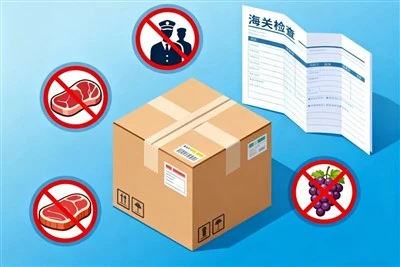
First, let’s get one thing straight: most of these fees are not arbitrary. Air freight is a highly regulated industry, especially when moving goods across two countries with strict border rules like China and Australia. Before we jump into specific costs, let’s start with the basics: when you ask for a shipping quote from any provider, what you’ll usually see is the “air freight rate” – that’s the cost to move your cargo from the origin airport in China to the destination airport in Australia. Almost every additional fee is tied to specific services, regulatory requirements, or operational steps that are separate from that core transport cost.
Let’s start with the most common additional fee you’ll see, especially when shipping from major manufacturing hubs in China like Guangzhou, Shenzhen, or Shanghai: terminal handling charges (THC). This is a charge you’ll pay on both the Chinese side (origin THC) and the Australian side (destination THC). On the China side, origin THC covers the cost of loading your cargo onto the aircraft, securing it, and processing it through the Chinese airport’s security and customs checks before it even takes off. On the Australian side, destination THC covers unloading the plane, moving the cargo from the tarmac to the airport’s warehouse, and storing it there temporarily until you pick it up or arrange for delivery. A lot of first-time shippers ask why this isn’t included in the core air freight rate, and the answer is that airport authorities set these fees, not freight forwarders like us. For a standard 1 CBM pallet, origin THC from Guangzhou is usually around $35, and destination THC in Sydney or Melbourne is around $50 – that’s a standard rate set by the respective airport operators, and we can’t waive it, but we can explain it clearly in your quote so there are no surprises.
Next up: customs clearance fees. This is another area where a lot of people get confused, because it’s split between China’s export clearance and Australia’s import clearance. Export clearance fees are charged by the Chinese customs broker we work with to process all the paperwork required to send goods out of China. That includes filing the export declaration, verifying that your products aren’t on any restricted or banned list, and coordinating with customs to inspect your cargo if needed. Import clearance is even more important for Australia, because the Australian Border Force (ABF) has some of the strictest rules in the world for goods entering the country. If you’re shipping general goods like apparel, electronics, or furniture, our Australian customs team will process your import declaration, calculate any duties or GST that apply, and handle any queries the ABF has about your shipment. The customs clearance fee itself is usually between $50 and $80, depending on the size and complexity of your shipment. And if your goods get selected for a physical inspection by the ABF, there might be an additional inspection fee – but again, that’s a standard cost for international air freight, and we’ll always notify you if your shipment is flagged for inspection before it happens.
Now, what about if you don’t want to pick up your cargo from the Australian airport yourself? That’s where door-to-door delivery fees come in, which are an optional additional fee. A lot of my clients are small e-commerce sellers in Australia who don’t have a freight forwarding license or a way to pick up pallets from Sydney Airport, so they choose to have us deliver the goods directly to their warehouse or retail store. The delivery fee depends on the distance from the airport: for delivery within 50 km of Sydney Airport, it’s around $70 per pallet, and rates go up for areas outside the metro area, like regional Queensland or Western Australia. This is totally optional – if you have your own trucking company to pick up cargo, you don’t have to pay it. I always make sure to highlight this as an optional add-on in quotes, so clients can choose what works for their budget and timeline.
Another fee that comes up a lot when shipping certain types of goods: special handling charges. This applies if you’re shipping things that aren’t standard general cargo – like fragile items, perishables, dangerous goods, or oversized/overweight pallets. For example, if you’re shipping glassware or electronics that need extra padding and careful handling, we’ll need to charge a small special handling fee to cover the cost of custom packaging, extra staff to load and unload the cargo, and ensuring it’s stowed properly on the plane. Dangerous goods, like batteries or certain chemicals, have their own set of rules from both IATA (the International Air Transport Association) and the ABF, so there’s a higher fee to cover the specialized training our team has and the extra paperwork required to ship them. Oversized pallets, which are pallets larger than the standard 120×100 cm size, also get a fee because they take up more space on the plane and require extra equipment to move. I always remind clients that if they have special cargo, it’s better to mention it upfront – hiding that information can lead to bigger fees or even delays at the airport.
Wait, what about fuel surcharges? I know a lot of shippers have heard horror stories about fuel surcharges jumping out of nowhere, and I get that. But let me be clear: fuel surcharges aren’t a “made-up” fee. Airline fuel prices are extremely volatile, and they can change every few weeks, which affects every shipment. The International Air Transport Association (IATA) sets the global fuel surcharge rates that all airlines use, so we have to pass that cost on to our clients to stay in business. The good news is that fuel surcharges are always included in our upfront quotes – we don’t add them on later. A lot of competitors might quote a lower base rate and then add a huge fuel surcharge at the end, but I’ve always believed in being transparent about that from the start. If fuel prices drop, we adjust the surcharge accordingly on future bookings. That’s the kind of reliability my clients value.
Now, let’s talk about common mistakes that lead to unexpected fees. A lot of my new clients don’t realize that they’re responsible for providing accurate cargo details. If you tell us your shipment is 1 CBM, but it’s actually 1.5 CBM, we’ll have to reweight and remeasure it at the airport, which leads to an adjustment fee. Or if you declare the value of your goods incorrectly on the customs form, that can lead to delays or even penalties from the ABF, which we’ll have to pass on to you. I always tell clients to double-check all the details before booking – the time you spend verifying dimensions, weight, and product value will save you way more in the long run.
Another thing: what about insurance? Is that an additional fee? Technically, yes, but it’s optional, and I always encourage clients to take it. The standard air freight rate doesn’t include insurance, which means if your cargo gets lost, damaged, or delayed, the airline’s liability is capped at around $20 per kg – that’s usually not enough to cover the value of goods like electronics or apparel. Our cargo insurance is affordable: it’s around 0.3% of the total declared value of your shipment. For example, if you’re shipping $10,000 worth of goods, the insurance fee would be $30, which gives you full coverage for loss or damage. I never push insurance, but I always explain what it covers, because I don’t want clients to lose money if something goes wrong.
Let me address one last question I get all the time: are there any hidden fees that I don’t mention? Over my 12 years in this business, I’ve built my reputation on transparency, so I can honestly say that there are no hidden fees with our China to Australia air freight line. Every single charge is clearly listed in your quote, and I will walk through every line item with you to make sure you understand what you’re paying for. I’ve seen too many competitors quote a low rate and then add 10 extra fees at the end, and that’s not how we do business. When you book with us, you’ll know exactly what the total cost is before you even sign the booking form.
At the end of the day, shipping from China to Australia via air freight is a straightforward process, but it’s easy to get confused by all the different charges. The key is working with a provider that’s transparent about every fee, explains why it exists, and gives you the option to choose the services you actually need. If you’re planning a shipment, whether it’s a small e-commerce order or a large industrial cargo, and you want a detailed, no-obligation quote that breaks down every cost clearly, feel free to reach out to my team. We’re here to answer all your questions, help you avoid unnecessary fees, and make your shipping experience as smooth as possible.

If you have questions about specific fees for your shipment, need help understanding Australian customs rules, or want to compare quotes from our China to Australia air freight line, don’t hesitate to get in touch to discuss your requirements in detail.
China To Australia Consolidation Shipping References:
- International Air Transport Association. (2024). Air Freight Charging Guidelines.
- Australian Border Force. (2024). Import Clearance Requirements for Air Cargo.
- Airports Council International. (2024). Terminal Handling Charge Standards for China-Australia Air Routes.
- International Air Transport Association. (2024). Dangerous Goods Shipping Regulations.
- Australian Competition and Consumer Commission. (2023. Guidelines for Transparent Freight Pricing.
Shenzhen Kuaihui International Logistics Co., Ltd.
Shenzhen Kuaihui International Logistics Co., Ltd. is a leading China-Australia dedicated logistics service provider in China. As a professional agent and platform, we are committed to providing high quality china to australia air freight line with low price. Welcome to contact us for pricelist.
Address: 3rd Floor, Building 6, Nanbiantou Industrial Zone, Xifang, Songgang Street, Bao’an District, Shenzhen City, Guangdong Province
E-mail: info@kkhwl.com
WebSite: https://www.kuaihuiexp.com/
