When a potential customer slides into our DMs for the first time, they almost always ask the same three questions—usually in this order: What’s the price per square foot? How long will it take to ship? And, most often, Will we have to hire a team of electricians and riggers to install it? As a third-generation custom LED display supplier with ten years of stories of installs that went right (and a handful that went sideways), I get it. If you’ve never worked with a purpose-built digital display before, the whole process can feel like staring at a wiring diagram written in another language. Let’s break this down, real talk, no sales fluff: installing a customized LED display isn’t the kind of rocket science you see in action movie heists—but it’s not plug-and-play a television, either. It lives somewhere in the middle, and the difficulty depends almost entirely on three things: what you ordered, how prepared you are, and who you’re working with to get it on site. Customized LED Display

Let’s start with the most important piece: what “customized” actually means here. I’ve had customers come to us thinking “custom” means “we pick a random size and wait for a magic box that fits.” That’s not how it works, and that’s where a lot of the early confusion starts. For example, last year, a small coffee roaster out in Portland wanted an LED display wrapped around their in-store cold brew tap wall—something that curved gently with the edge of the counter, not a flat panel. They told us their manager had watched a YouTube video of someone slapping an LED TV on a wall and assumed their custom display would be just as easy. Wrong. A flat, rectangular LED display for a basement bar takes two people and a drill. A curved, water-resistant display built to withstand 100-degree summer heat and frequent spills from cold brew pours? That’s engineered with flexible LED modules, reinforced mounting brackets, and a weather-sealed back panel—all of which require specific installation steps no standard flat screen does. The takeaway here: the more unique your display is (curved angles, non-standard dimensions, outdoor use, integration with existing sound systems or POS software), the more specialized the install process is going to be.
Now, let’s talk about what actually happens when we show up to a site. First, a disclaimer: I don’t sell “turnkey installs” for every customer, because I know most small to mid-sized business owners don’t need a full rigging team for a 10-foot display, and large venue managers already have their own preferred install crews. That’s why our business model splits installs into two clear paths: basic self-install packages and full professional install services, built specifically around what our customers need. For the self-install folks, we include step-by-step written guides, short video walkthroughs, and a dedicated support line with a real human, not a call center bot, available until 7 PM Eastern time most days. Last quarter, we shipped a 12-foot outdoor display to a campground in northern Michigan that their maintenance team installed in one long Saturday. They called us at 2 PM on Saturday to say they hit a small snag with leveling the mounting frame, and one of our techs walked them through it over the phone in 15 minutes. That’s not a “difficult” job—that’s a job that requires paying attention to details like checking the site’s weight capacity ahead of time, which I always remind customers to do before we even build their display. If you try to hang a 300-pound outdoor display on a wall that’s only rated to hold 100 pounds, you’re going to have a bad time, and that’s not on us or our install process.
For the customers who go with our professional install team, we bring in a crew that works exclusively with our displays—we don’t outsource to random contractors who have never seen our custom modules before. Last year, we did a big job for a shopping mall in Atlanta that had us installing a 40-foot curved display in their main atrium, plus six smaller rectangular displays for each store’s entrance. The install took three days, start to finish, and the mall’s operations manager told us later that it was one of the smoothest vendor projects she’d ever coordinated. Why? Because our crew knew exactly how to handle the curved modules, how to route power and data cables without disrupting the mall’s existing Wi-Fi or elevator systems, and how to calibrate the display so every section lined up perfectly with no dark spots or brightness mismatches. That’s the part most customers don’t see: when you order a custom display from a specialized supplier, the install isn’t just “putting parts on a wall”—it’s engineering the display to fit the site, and then engineering the install to fit both the display and the space.
I do want to be honest here, though—there are scenarios where a custom LED display install gets complicated, and they almost never have to do with the display itself. I mentioned earlier that I’ve seen installs go sideways, and one of the most common issues is site preparation. A few years back, we had a customer in Chicago who ordered a 20-foot outdoor display for their restaurant’s patio. They told us their patio wall was concrete, which they thought would be easy to drill into. When our install crew showed up, they realized the wall had a layer of old tile and a hidden plumbing line running right where they needed to drill the mounting brackets. That wasn’t a problem with the display or our instructions—it was a problem with not checking the site ahead of time. We ended up adding a second set of brackets that went through the tile and around the plumbing line, and the install took an extra day, but we didn’t charge the customer anything extra. That’s the kind of thing that makes custom install feel hard if you’re not expecting it, but it’s avoidable with a little pre-planning.
Another common misconception: you need to have advanced tech skills to run the display once it’s installed. I know that’s part of why people worry about the install process—they think after the crew hangs the display, they’ll have to become an electrician or a software engineer just to change a price on a menu board or update a social media feed. That’s not true. Every custom display we ship comes with a user-friendly content management system (CMS) that we build specifically for the customer’s needs. For a small bakery, that’s a simple, drag-and-drop tool that lets them change their daily specials and hourly promotions without any training. For a concert venue, that’s a more robust CMS that lets their production team sync video feeds, live music, and sponsor logos across multiple displays in real time. The CMS setup is part of the overall process, and we walk every customer through it in a free 30-minute training session, either in person or over Zoom. That means once the display is installed, you don’t need to be a tech expert to use it—and that takes a huge amount of stress out of the entire process.
Let’s circle back to the original question: is it difficult to install a customized LED display? The short answer is no—not if you work with the right supplier and plan ahead. The long answer is that it depends on three key factors: the complexity of your custom design, your site’s preparation, and whether you have access to specialized install support. As a supplier, we’ve streamlined the process over the last ten years because we’ve learned that the biggest mistake customers make is treating a custom LED display like a standard off-the-shelf product. You wouldn’t try to build a custom bookshelf without measuring your space first, right? The same logic applies here.
I want to close with a real story from last month, because it perfectly sums up what we do for our customers. A small nonprofit animal rescue in Ohio reached out to us after a local event coordinator mentioned they could use an LED display to raise funds for their operations. Their budget was small, their space was a nook in their new adoption center, and they needed a display that was compact enough to fit the nook, bright enough to be seen in natural light from the nearby windows, and easy for their volunteer staff to operate. We designed a 6-foot by 8-foot flat, energy-efficient display with a simple CMS that only lets volunteers update upcoming adoption events and donation goals. We worked with a local handyman the rescue had already hired, walked him through the install step-by-step over two quick calls, and the whole process—from designing the display to installing it to training the volunteers—took just two weeks. Last week, the rescue sent us a photo of the display up and running, with a goal counter that’s already raised 30% of their $10,000 target. That’s the kind of result we’re here for.
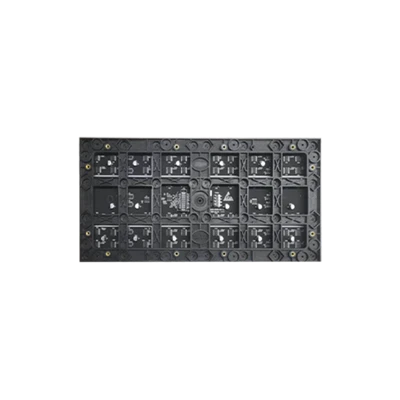
If you’re thinking about a customized LED display for your business, venue, or nonprofit, don’t let the worry of install difficulties stop you. We can walk you through every step, from designing a display that fits your exact needs to helping you figure out what kind of install makes sense for your space. To learn more about our custom options, get a personalized quote, or discuss your specific site and install needs, feel free to reach out to our team for a consultation. We’re here to make the process as simple as possible, because great LED displays shouldn’t be hard to bring to life.
Outdoor LED Screen References
- National Electrical Manufacturers Association. (2021). Guidelines for Installing Digital Display Systems in Commercial and Outdoor Spaces.
- LED Professional Association. (2022). Custom LED Display Installation Best Practices for Small to Mid-Sized Businesses.
- International Facility Management Association. (2023). Pre-Installation Site Preparation Requirements for Commercial Digital Signage.
- U.S. Department of Energy. (2021). Energy Efficiency Considerations for LED Display Installations in Commercial and Nonprofit Spaces.
LiKYLIN (Chongqing) Intelligent Technology Co., Ltd.
As one of the most professional customized led display manufacturers and suppliers in China, we’re featured by quality products and low price. Please rest assured to wholesale advanced customized led display in stock here and get free sample from our factory. We also accept customized orders.
Address: Building 1, No.57, Jinfu Blvd, Gu’nan Street, Qijiang District, Chongqing, China
E-mail: marketing@likylin-led.com
WebSite: https://www.cqlikylinled.com/
