As a fresh onion supplier deeply entrenched in the world of culinary delights, I’ve witnessed firsthand the transformative power of these humble bulbs. Onions are not just a staple in kitchens worldwide; they are the unsung heroes that elevate the simplest of dishes to extraordinary heights. In this blog, I’ll share my insights on how to cook fresh onions to bring out their full flavor, drawing from years of experience and a passion for quality produce. Fresh Onion

Understanding the Basics of Fresh Onions
Before we delve into the cooking techniques, it’s essential to understand the different types of fresh onions and their unique flavor profiles. There are several varieties, each with its own characteristics that can influence the cooking process and the final taste of your dish.
- Yellow Onions: These are the most commonly used onions in cooking. They have a sharp, pungent flavor when raw, which mellows into a sweet and savory taste when cooked. Yellow onions are versatile and can be used in a wide range of dishes, from soups and stews to stir – fries and sauces.
- White Onions: Slightly milder and sweeter than yellow onions, white onions have a thinner skin and a more delicate flavor. They are often used in Mexican and Southwestern cuisine, where their bright flavor can shine through in salsas, guacamole, and fajitas.
- Red Onions: With their vibrant color and slightly sweet, sharp flavor, red onions are a popular choice for salads, sandwiches, and garnishes. They can also be cooked, but their bright color tends to fade when exposed to high heat.
- Sweet Onions (e.g., Vidalia, Walla Walla): These onions are known for their high sugar content and mild, sweet flavor. They are best eaten raw or cooked gently over low heat to preserve their sweetness. They are excellent in salads, grilled dishes, and caramelized onion recipes.
Preparing Onions for Cooking
Proper preparation is the first step in bringing out the best flavor of fresh onions. Here’s how you can prep your onions like a pro:
- Peeling: Start by trimming the stem and root ends of the onion. Cut a small slice off the top and bottom to expose the layers. Then, make a shallow cut through the outer skin, starting from the top, and peel it away. The skin should come off easily in one piece.
- Slicing and Dicing: The way you cut your onions can affect their cooking time and flavor. For a quick – cooking stir – fry or a salad, thin slices are ideal. For dishes that require longer cooking times, such as soups or stews, dice the onions into small, uniform pieces. To dice an onion, first cut it in half through the root end. Lay the halves flat on the cutting board, and make several vertical cuts, being careful not to cut through the root. Then, make horizontal cuts, followed by cross – cuts to create small dice.
Cooking Methods to Enhance Onion Flavor
Caramelizing Onions
Caramelization is one of the most popular ways to bring out the natural sweetness of onions. It involves cooking onions slowly over low heat until they turn golden brown and develop a rich, sweet flavor. Here’s a step – by – step guide:
- Choose the Right Onions: Yellow onions are the best choice for caramelizing due to their high sugar content.
- Prepare the Onions: Peel and slice the onions thinly. The thinner the slices, the faster they will caramelize.
- Heat the Pan: Place a heavy – bottomed skillet or saucepan over medium – low heat. Add a small amount of oil or butter to the pan. Butter will give the onions a rich, creamy flavor, while oil is a healthier alternative.
- Add the Onions: Once the oil or butter is hot, add the sliced onions to the pan. Stir them gently to coat them with the fat.
- Cook Slowly: Reduce the heat to low and let the onions cook slowly. Stir them occasionally to prevent them from burning. This process can take anywhere from 30 minutes to an hour, depending on the quantity of onions and the heat level. As the onions cook, they will release moisture and start to turn translucent. Eventually, they will turn golden brown and develop a sweet, caramelized flavor.
- Season: Towards the end of the cooking process, you can add a pinch of salt and a splash of balsamic vinegar to enhance the flavor. The salt will help draw out the moisture from the onions, while the vinegar will add a tangy note.
Sautéing Onions
Sautéing is a quick and easy way to cook onions and bring out their flavor. It’s often used as a base for many dishes, such as stir – fries, omelets, and sauces.
- Prepare the Onions: Peel and chop the onions into small pieces or slices.
- Heat the Pan: Place a skillet or frying pan over medium – high heat. Add a small amount of oil or butter to the pan.
- Add the Onions: Once the oil or butter is hot, add the onions to the pan. Stir them constantly to ensure even cooking.
- Cook Quickly: Sauté the onions for 3 – 5 minutes, or until they are translucent and fragrant. Be careful not to overcook them, as they can quickly become mushy.
- Season: Season the onions with salt, pepper, or other spices according to your recipe.
Roasting Onions
Roasting onions is another excellent method for intensifying their flavor. Roasted onions have a sweet, smoky taste and a tender texture.
- Prepare the Onions: Peel the onions and cut them into wedges or slices. Leave the root end intact to hold the pieces together.
- Season the Onions: In a bowl, combine the onions with olive oil, salt, pepper, and any other desired seasonings, such as garlic powder, paprika, or thyme. Toss the onions to coat them evenly with the oil and seasonings.
- Roast the Onions: Preheat your oven to 400°F (200°C). Spread the onions in a single layer on a baking sheet lined with parchment paper or aluminum foil. Roast the onions for 25 – 30 minutes, or until they are golden brown and tender. Flip the onions halfway through the cooking time to ensure even roasting.
Tips for Cooking Fresh Onions
- Use a Sharp Knife: A sharp knife will make it easier to cut the onions and reduce the amount of damage to the cells, which can help minimize the release of the enzymes that cause eye irritation.
- Control the Heat: When cooking onions, it’s important to control the heat. High heat can cause the onions to burn quickly, while low heat can result in slow – cooking and over – softening.
- Add Acid: Adding a small amount of acid, such as lemon juice or vinegar, during the cooking process can help balance the flavor of the onions and prevent them from becoming too sweet.
- Let the Onions Rest: After cooking the onions, let them rest for a few minutes before using them in your dish. This allows the flavors to meld and develop further.
Incorporating Fresh Onions into Your Recipes
Now that you know how to cook fresh onions to bring out their flavor, here are some recipe ideas to inspire you:
- French Onion Soup: This classic soup is made with caramelized onions, beef broth, and melted cheese. The sweet, savory flavor of the caramelized onions is the star of the show.
- Onion Rings: Make delicious onion rings by dipping sliced onions in a batter and frying them until golden brown. Serve them with your favorite dipping sauce.
- Onion and Mushroom Quiche: Combine sautéed onions and mushrooms with eggs, cream, and cheese in a pie crust for a savory and satisfying quiche.
- Grilled Onion Salad: Grill thick slices of sweet onions until they are charred and tender. Toss them with mixed greens, feta cheese, and a balsamic vinaigrette for a refreshing salad.
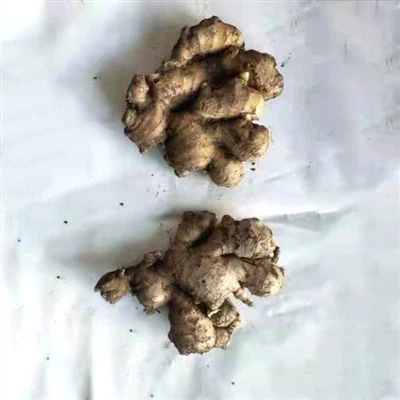
In conclusion, fresh onions are a versatile and flavorful ingredient that can enhance any dish. By understanding the different types of onions, preparing them properly, and using the right cooking techniques, you can bring out their full flavor and take your cooking to the next level.
Pure White Garlic If you’re a chef, a home cook, or a foodservice provider looking for high – quality fresh onions, I’m here to help. I’m committed to providing the freshest and most flavorful onions to meet your culinary needs. Whether you need a small quantity for your home kitchen or a large volume for your business, I can offer you the best onions at competitive prices. Contact me to discuss your onion procurement requirements and start creating delicious dishes with the best – tasting fresh onions on the market.
References
- "The Professional Chef" by The Culinary Institute of America
- "Onions: A Global History" by Ken Albala
- "Cooking for Engineers: Onions" by Jeff Potter
Nine Three Import and Export Co., Ltd.
We’re well-known as one of the most experienced fresh onion suppliers in China. We warmly welcome you to wholesale bulk high quality fresh onion at competitive price from our factory. If you have any enquiry about cooperation, please feel free to email us.
Address: No.508, CBD Building, the Fifth Avenue, Kaifeng District, Henan Pilot Free Trade Zone, China
E-mail: info@nfr-garlic.com
WebSite: https://www.nfr-garlic.com/
