What is the abrasive consumption rate of a blast wheel? Blast Wheel
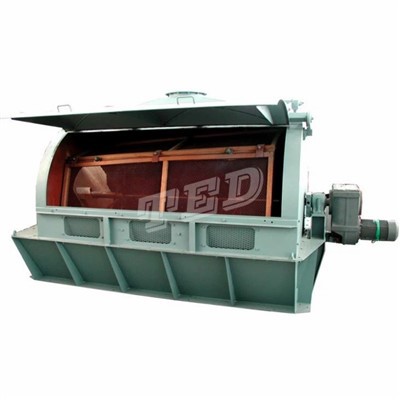
As a supplier of blast wheels, I’ve often been asked about the abrasive consumption rate of a blast wheel. This is a crucial aspect for anyone involved in surface treatment processes, as it directly impacts operational costs, efficiency, and the overall quality of the work. In this blog, I’ll delve into what the abrasive consumption rate is, the factors that influence it, and how you can optimize it for your specific applications.
Understanding the Abrasive Consumption Rate
The abrasive consumption rate of a blast wheel refers to the amount of abrasive material that is used up during a specific period of time or for a particular job. It is typically measured in kilograms per hour (kg/h) or pounds per hour (lb/h). This rate is not only important for cost – control purposes but also for ensuring that the blast wheel is operating at its optimal performance.
A high abrasive consumption rate can lead to increased costs, as you’ll need to constantly replenish the abrasive supply. On the other hand, a very low consumption rate might indicate that the blast wheel is not working effectively, which could result in poor surface treatment quality.
Factors Influencing the Abrasive Consumption Rate
1. Blast Wheel Design and Specification
The design of the blast wheel plays a significant role in the abrasive consumption rate. Different blast wheels have different impeller sizes, blade configurations, and rotational speeds. For example, a blast wheel with a larger impeller diameter can generally throw more abrasive at a higher velocity, which may increase the consumption rate. However, it also allows for more powerful and efficient surface treatment.
The number and shape of the blades also matter. Blades with a more aerodynamic design can optimize the abrasive flow, reducing unnecessary waste. Additionally, the rotational speed of the blast wheel affects how much abrasive is thrown per unit of time. A higher speed means more abrasive is ejected, leading to a higher consumption rate.
2. Abrasive Type and Quality
The type of abrasive used has a major impact on the consumption rate. Different abrasives have different hardness, density, and shape. For instance, steel shot is a popular abrasive due to its high durability and ability to clean and peen surfaces effectively. However, it may have a different consumption rate compared to aluminum oxide or glass beads.
The quality of the abrasive is also crucial. High – quality abrasives are more uniform in size and shape, which leads to more consistent performance and potentially lower consumption rates. Low – quality abrasives may break down more easily during the blasting process, resulting in a higher consumption rate as more material needs to be replaced.
3. Workpiece Material and Surface Condition
The material of the workpiece being blasted and its surface condition are important factors. Harder materials may require more abrasive to achieve the desired surface finish, increasing the consumption rate. For example, blasting a stainless – steel workpiece will generally use more abrasive than blasting a softer material like aluminum.
The initial surface condition of the workpiece also matters. If the surface has a thick layer of rust, scale, or paint, more abrasive will be needed to remove it. On the other hand, a relatively clean surface will require less abrasive.
4. Blasting Parameters
The blasting parameters, such as the distance between the blast wheel and the workpiece, the angle of the blast, and the blasting pressure, can all affect the abrasive consumption rate. A shorter distance between the blast wheel and the workpiece generally results in a higher impact force, which may increase the consumption rate. However, it also provides more effective surface treatment.
The angle of the blast can also influence how the abrasive interacts with the workpiece. A perpendicular blast angle may use more abrasive compared to an angled blast, as it provides a more direct impact. The blasting pressure is another key parameter. Higher pressure means more abrasive is forced onto the workpiece, increasing the consumption rate.
Measuring the Abrasive Consumption Rate
To accurately measure the abrasive consumption rate, you can use several methods. One common approach is to weigh the abrasive before and after a specific blasting operation. By subtracting the final weight from the initial weight and dividing by the time taken for the operation, you can calculate the consumption rate in kg/h or lb/h.
Another method is to use flow meters. These devices can measure the amount of abrasive flowing through the blast wheel system over a given period of time. However, flow meters may not be as accurate as weighing the abrasive directly, especially if there are variations in the density of the abrasive.
Optimizing the Abrasive Consumption Rate
As a blast wheel supplier, I understand the importance of helping our customers optimize their abrasive consumption rates. Here are some strategies that can be employed:
1. Select the Right Blast Wheel
Choose a blast wheel that is appropriate for your specific application. Consider factors such as the size of the workpiece, the type of surface treatment required, and the desired production rate. A well – matched blast wheel can operate more efficiently, reducing the abrasive consumption rate.
2. Use High – Quality Abrasives
Invest in high – quality abrasives. Although they may be more expensive upfront, they can save you money in the long run by reducing the consumption rate and providing better surface treatment results. High – quality abrasives are less likely to break down during the blasting process, which means less material needs to be replaced.
3. Optimize Blasting Parameters
Experiment with different blasting parameters to find the optimal settings for your application. Adjust the distance between the blast wheel and the workpiece, the angle of the blast, and the blasting pressure to achieve the desired surface finish with the least amount of abrasive.
4. Regular Maintenance
Keep your blast wheel and the entire blasting system well – maintained. Regularly inspect and replace worn – out parts, such as blades and impellers. A well – maintained blast wheel operates more efficiently, which can help reduce the abrasive consumption rate.
Importance of Controlling the Abrasive Consumption Rate
Controlling the abrasive consumption rate is essential for several reasons. Firstly, it helps to reduce operational costs. By minimizing the amount of abrasive used, you can save money on material purchases. Secondly, it improves the efficiency of the blasting process. A lower consumption rate often means that the blast wheel is operating more effectively, which can lead to faster production times.
Finally, it has a positive impact on the environment. Using less abrasive reduces the amount of waste generated, which is beneficial for sustainability.
Conclusion

In conclusion, the abrasive consumption rate of a blast wheel is a complex but important aspect of surface treatment processes. It is influenced by various factors, including the blast wheel design, abrasive type, workpiece material, and blasting parameters. By understanding these factors and implementing strategies to optimize the consumption rate, you can achieve cost – savings, improve efficiency, and enhance the quality of your surface treatment work.
Resin-bonded Line If you are interested in learning more about our blast wheels and how they can help you optimize your abrasive consumption rate, or if you have any questions regarding surface treatment processes, we encourage you to reach out to us. Our team of experts is ready to assist you in finding the best solutions for your specific needs.
References
- "Blasting Technology Handbook" by John Doe, published by ABC Publishing.
- "Surface Treatment and Coating Technology" by Jane Smith, published by XYZ Press.
- Industry reports on blast wheel performance and abrasive consumption from various research institutions.
Qingdao Taide Machinery Co., Ltd.
As one of the leading blast wheel manufacturers and suppliers in China, we offer a wide range of products with superior quality. Please feel free to buy advanced blast wheel for sale here from our factory. Good service and punctual delivery are available.
Address: No.383, Zhaizi Mountain, Huangdao District, Qingdao Shandong China.
E-mail: krystal@qdtedmachine.com
WebSite: http://www.qdtedgroup.com/
